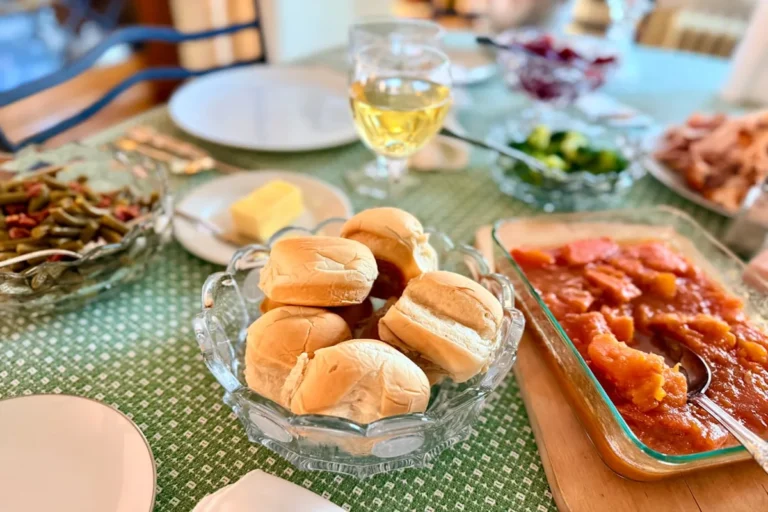

Roghni Naan: Soft, Buttery & Made at Home
If there is one bread that can make any meal feel truly special, it is roghni naan. That golden surface brushed with butter and sesame seeds, the pillowy softness when you tear into it, the way it soaks up a rich curry or dal — it is pure comfort food in every single bite. And the best part? You can make it right in your own kitchen.
This recipe is written for home cooks who want that authentic bakery-style roghni naan without any intimidating techniques or hard-to-find equipment. Whether you are cooking for your family on a weeknight or hosting guests for a special dinner, this naan will steal the show every single time.
What Makes Roghni Naan So Special?
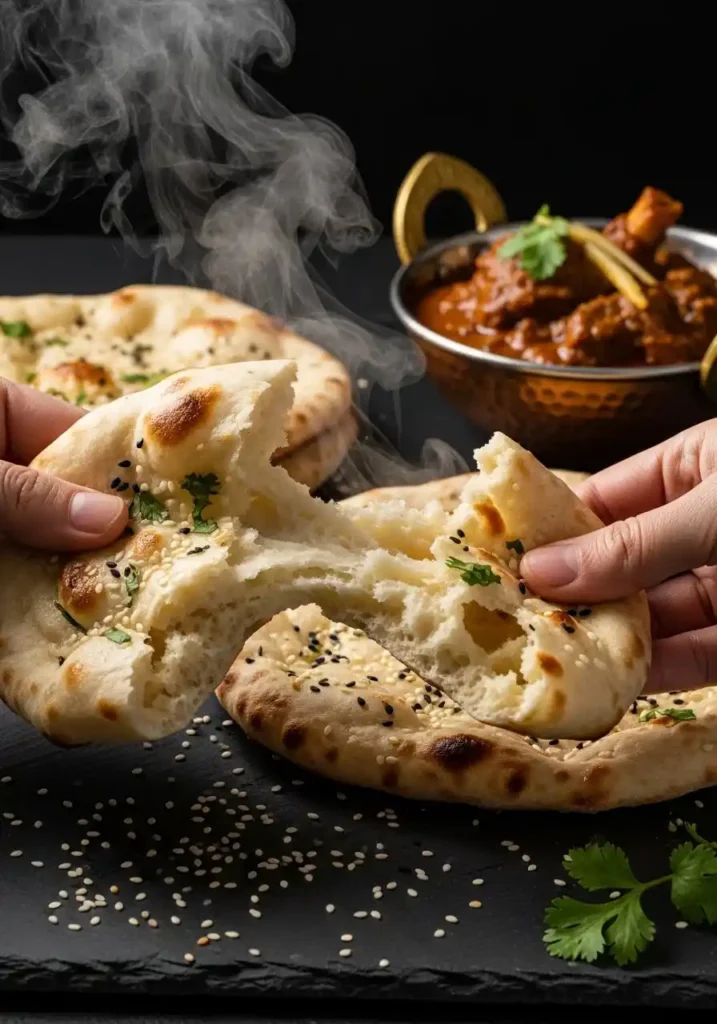
Roghni naan is a beloved bread from Pakistani and North Indian cuisine, and it stands apart from regular naan in a few beautiful ways. The word “roghni” comes from the Persian word for fat or oil, which tells you everything — this naan is enriched with eggs and butter or oil, giving it an incredibly soft, tender crumb and a richly flavored crust.
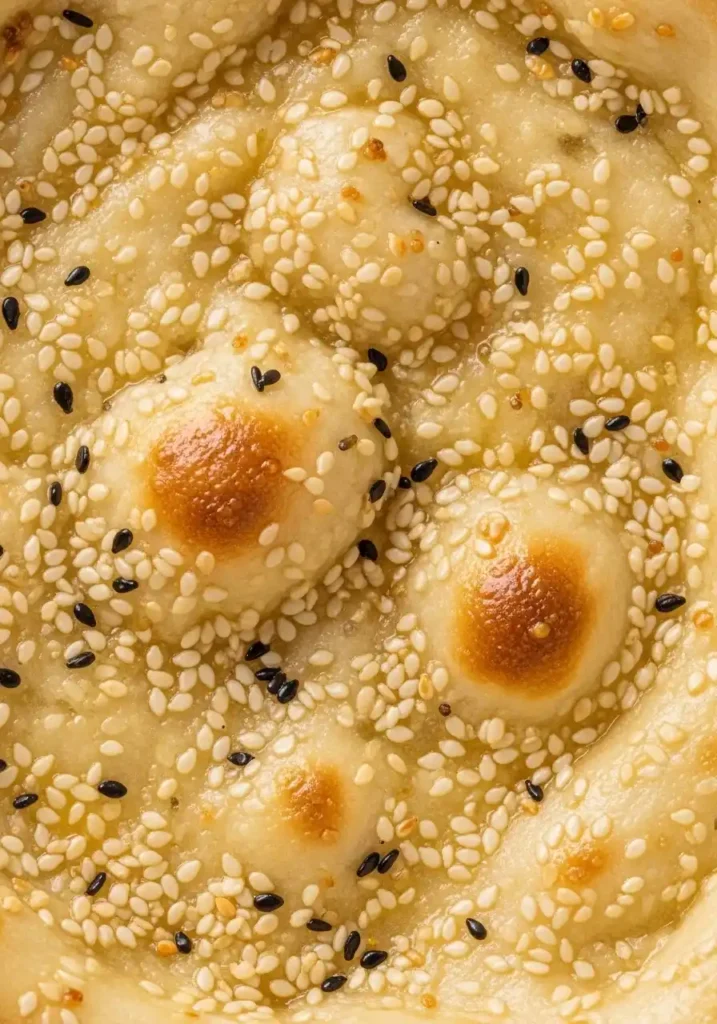
Traditional roghni naan is topped with sesame seeds and nigella seeds before baking, adding a gentle nuttiness that pairs perfectly with the buttery dough. It is slightly thicker and more indulgent than plain naan, and it has a gorgeous golden color that makes it look as good as it tastes.
Ingredients You Will Need
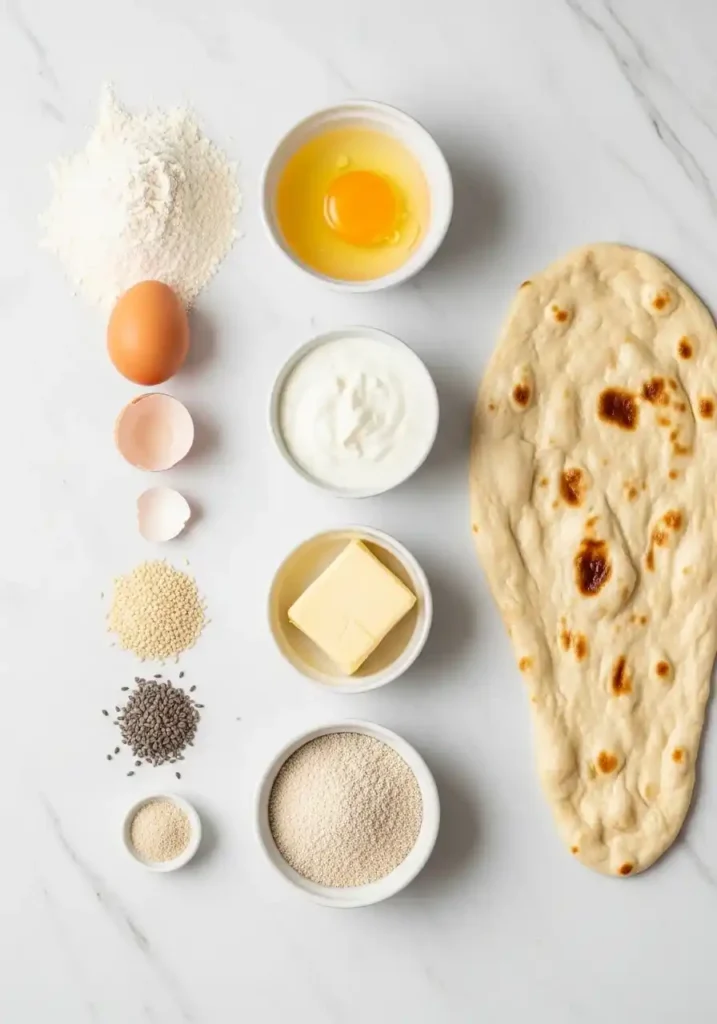
This recipe uses simple, everyday ingredients that you can find at any grocery store or South Asian market. Nothing complicated here — just good wholesome pantry staples that come together into something truly wonderful.
| Ingredient | Quantity | Notes |
| All-purpose flour | 3 cups | Plus extra for dusting |
| Instant yeast | 1 tsp | Active dry yeast also works |
| Sugar | 1 tsp | Feeds the yeast |
| Salt | 1 tsp | Fine sea salt preferred |
| Warm milk | ¾ cup | About 110°F — not boiling |
| Egg | 1 large | Adds richness to the dough |
| Plain yogurt | 3 tbsp | Full-fat for best texture |
| Butter or oil | 3 tbsp | Softened butter or neutral oil |
| Sesame seeds | 2 tbsp | White sesame for topping |
| Nigella seeds (kalonji) | 1 tsp | Optional but traditional |
| Butter (for brushing) | 2 tbsp | Melted, for finishing |

How to Make Roghni Naan at Home
Do not let yeast dough scare you away — this recipe is genuinely beginner-friendly. The steps are straightforward, the dough is easy to work with, and the results are absolutely worth the little bit of time it takes. Let us walk through it together.
Step 1: Prepare the Dough
Start by combining the warm milk, sugar, and yeast in a large mixing bowl. Stir gently and let it sit for five minutes until it becomes frothy. This tells you the yeast is alive and ready to work. If it does not foam up, your milk may have been too hot or your yeast may be old — simply start again with fresh yeast.
Add the egg, yogurt, and softened butter to the yeast mixture and mix well. Then add the flour and salt and mix until a rough dough forms. Turn it out onto a lightly floured surface and knead for eight to ten minutes until the dough is smooth and elastic. It should feel soft and just slightly tacky — not sticky and not stiff.
Step 2: Let the Dough Rise
Place the kneaded dough in a lightly greased bowl, cover it with a clean kitchen towel or plastic wrap, and let it rise in a warm spot for one to one and half hours until it has doubled in size. A turned-off oven with just the light on is great spot for this in cooler weather.
This resting time is what develops the flavor and gives roghni naan its signature soft, airy texture. Try not to rush it — good things come to those who wait, and the dough will be well worth it.
Step 3: Shape and Top the Naan
Once risen, punch the dough down gently to release the air. Divide it into six equal portions and roll each one into a smooth ball. On a lightly floured surface, roll each ball into an oval or teardrop shape about a quarter-inch thick. Roghni naan is meant to be thicker than regular naan, so do not roll it too thin.
Brush each shaped naan lightly with water, then sprinkle generously with sesame seeds and nigella seeds. Press them in gently with your palm so they stick during cooking. This topping is what gives roghni naan that gorgeous, traditional look.
Step 4: Cook the Naan
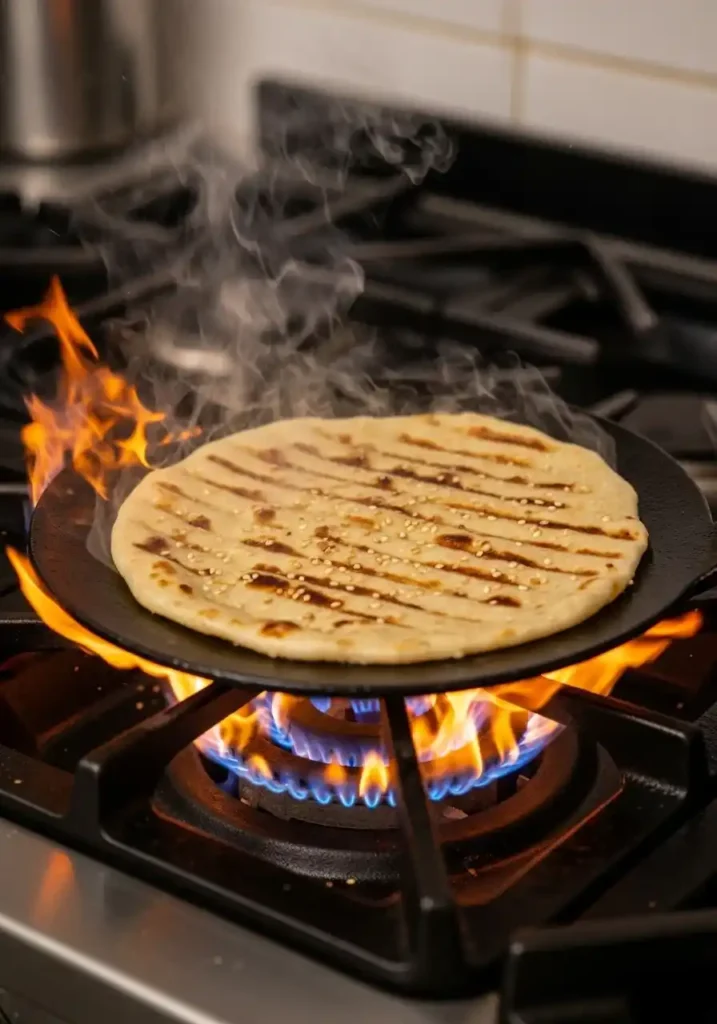
You have two great options here. For the most authentic result, cook your roghni naan in a very hot cast iron skillet or tawa over high heat. Place the naan seed-side up, cover the pan, and cook for two minutes until bubbles form and the bottom is golden. Then flip and cook another minute on the other side.
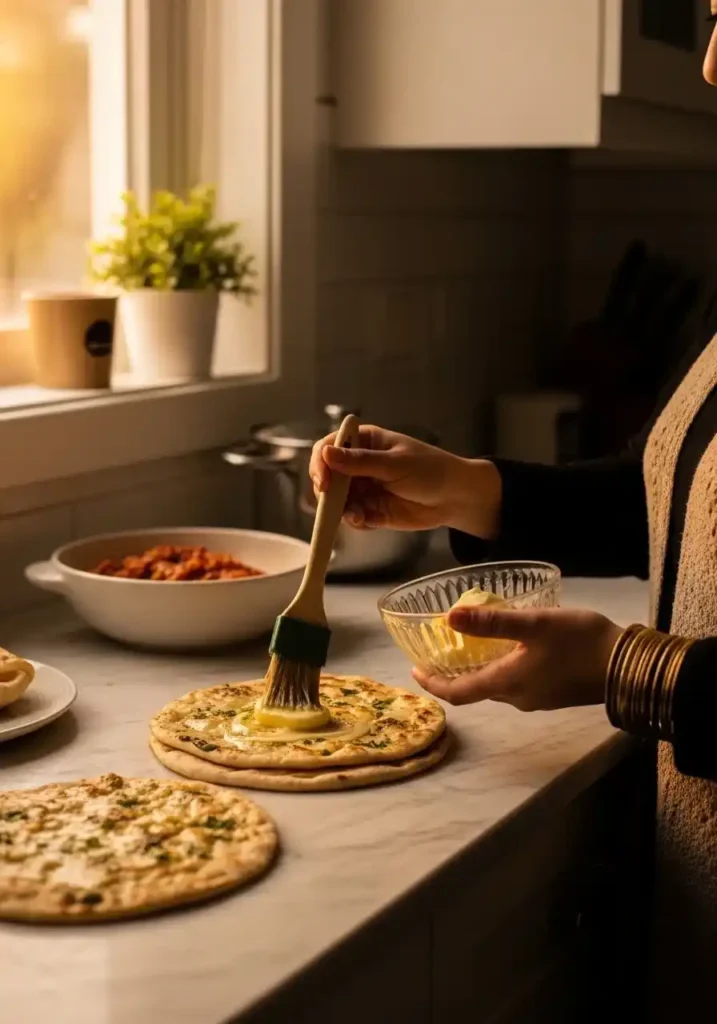
Alternatively, you can bake them in an oven preheated to its highest setting, ideally 500°F or higher, on a preheated baking stone or heavy baking sheet for five to six minutes until puffed and golden. Either way, brush generously with melted butter the moment they come off the heat.
What Is Roghni Naan Traditionally Served With?
Roghni naan pairs beautifully with rich, saucy dishes that it can scoop up and soak into. It is a classic companion to slow-cooked curries like nihari, karahi, and butter chicken. It is equally wonderful alongside a smoky dal makhani or a fragrant lamb korma. The richness of the naan complements bold, spiced gravies in a way that plain rice simply cannot.
For a lighter pairing, try it with raita, a simple yogurt and cucumber dip, or a spread of fresh mint chutney. Roghni naan is also delicious on its own as a snack, warm and just brushed with butter — sometimes the simplest things are the most satisfying.
Tips for Perfect Roghni Naan Every Time
Use Full-Fat Dairy for the Best Texture
The richness of roghni naan comes from the fat content in your ingredients. Full-fat yogurt and whole milk make a noticeably more tender, flavorful dough than their low-fat counterparts. This is not the recipe to reach for skimmed milk or diet yogurt — embrace the richness and enjoy every bite.
Get Your Pan or Oven Really Hot
High heat is essential for that beautiful golden exterior and soft, slightly chewy interior. If your cooking surface is not hot enough, the naan will cook through before it gets that gorgeous golden char on the outside. Preheat your pan or baking surface for at least five minutes before you start cooking.
Do Not Skip the Butter at the End
Brushing with melted butter the moment the naan comes off the heat is not optional — it is what gives roghni naan that glossy, irresistible finish and keeps it soft as it cools. If you want to make it extra indulgent, add a tiny pinch of salt and a little chopped coriander to the butter before brushing.

Try This Recipe and Let Us Know How It Went!
Now it is your turn to get into the kitchen and make this gorgeous roghni naan! We would absolutely love to hear how it turned out for you. Did you cook it on the stovetop or in the oven? Did your family go back for seconds — or thirds? Drop a comment below and share your experience. If you loved this recipe, please pin it or share it with a friend who appreciates a really good homemade bread. Every share means so much and helps more home cooks discover the joy of making roghni naan from scratch.
Can I Make Roghni Naan Without a Tandoor?
Absolutely, and you will not be disappointed with the results. A traditional tandoor oven reaches extremely high temperatures and cooks naan in a matter of seconds on its clay walls. While a home oven cannot fully replicate that, a cast iron skillet on high heat comes remarkably close. The key is to get the pan blazing hot before the dough touches it.
If you want to go the oven route, preheat your oven to its highest temperature and place a baking stone or an inverted heavy baking tray on the top rack for at least 30 minutes before baking. This mimics the intense radiant heat of a tandoor and gives you beautiful puffing and light char on your roghni naan.
Storing and Reheating Your Naan
Freshly made roghni naan is best eaten warm, but it stores well too. Let any leftovers cool completely, then wrap them in foil or store them in an airtight zip-lock bag at room temperature for up to two days. For longer storage, freeze them in a single layer first, then stack and bag them — they keep well in the freezer for up to a month.
To reheat, wrap in foil and warm in a 350°F oven for eight to ten minutes, or heat directly in a dry pan over medium heat for a minute on each side. A light brush of butter after reheating brings them right back to life.
Final Thoughts
There is something deeply satisfying about making roghni naan at home. The dough that comes together under your hands, the amazing smell as it cooks, the golden, sesame-speckled surface fresh off the pan — it is one of those cooking experiences that connects you to something bigger than just the recipe. It is a tradition, a comfort, and a gift to everyone at your table.
Once you try this homemade roghni naan, you will find it hard to go back to store-bought. It is softer, more flavorful, and made with love — and that makes all the difference. Give it try this weekend and enjoy every delicious bite. You can get more recipe on our site Bake with Zoya.