Unlock the Secrets of Palestinian Knafeh
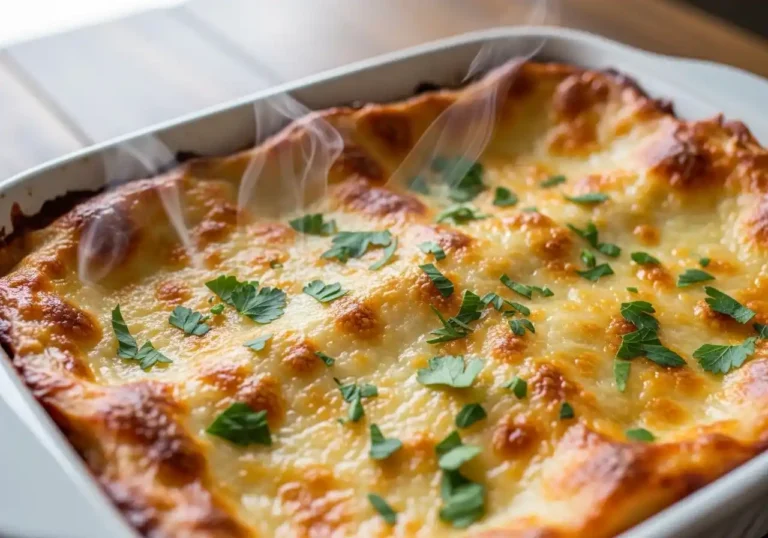
Imagine dessert so divine it’s a staple in Middle Eastern cuisine, and that’s exactly what palestinian knafeh is – a creamy, cheesy, crispy delight that will leave you wanting more, with its origins tracing back to the city of Nablus in Palestine, where it’s been perfected over centuries, and today we’ll dive into the world of this beloved dessert
A Brief History of Palestinian Knafeh
Origin Story
The city of Nablus in Palestine is often credited with the origin of knafeh, where it has been a staple for centuries, with each family having their own secret recipe, passed down through generations, and the art of making it has been refined over time, with the city’s unique cheese and phyllo dough being the key ingredients, making it a must-try when visiting the region
The history of palestinian knafeh is as rich as the dessert itself, with its roots dating back to the Ottoman Empire, and over time it has spread throughout the Middle East, with each country adding its own twist, but the traditional recipe remains a closely guarded secret, known only to a select few, and the city of Nablus still holds the crown for the best knafeh in the region, with its unique combination of crispy phyllo dough and creamy cheese, making it a must-try for anyone visiting the area
The Ingredients You’ll Need
Cheese and Phyllo
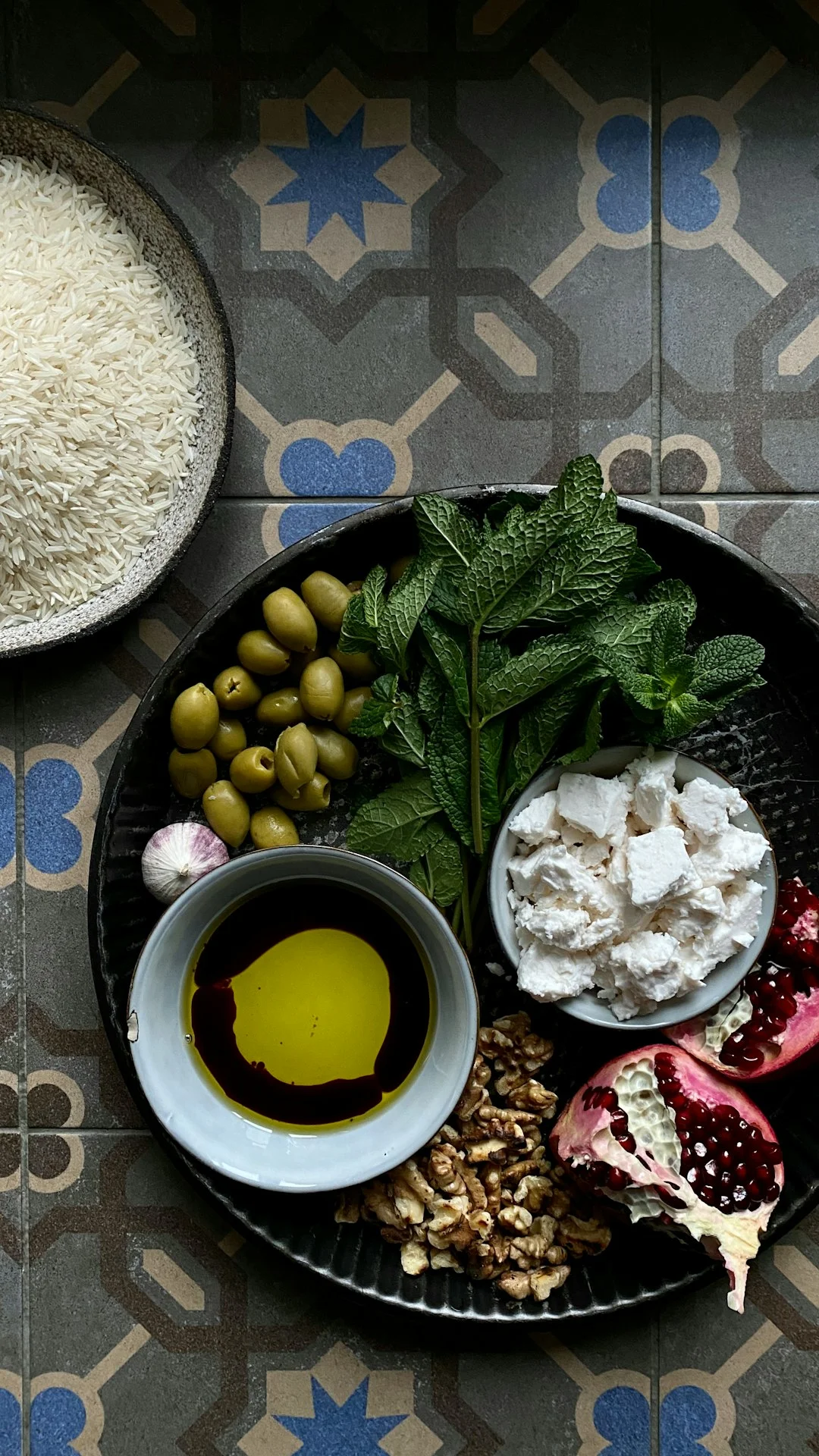
The two main ingredients in knafeh are akawi cheese and phyllo dough, which can be found in most Middle Eastern markets, and the quality of these ingredients will make or break the dish, so it’s essential to choose the best, and the cheese should be creamy and the phyllo dough should be crispy
To make authentic palestinian knafeh, you’ll need a few specialty ingredients, including akawi cheese, phyllo dough, and rose water, which can be found in most Middle Eastern markets, and the quality of these ingredients will make all the difference in the final product, so it’s essential to choose the best, and don’t be afraid to experiment with different combinations to find your perfect balance, and with a little practice, you’ll be making knafeh like a pro
How to Make Palestinian Knafeh
Step 1: Prepare the Phyllo Dough
Start by thawing the phyllo dough according to the package instructions, and then cut it into small pieces, about 1 inch square, and set aside, and make sure to handle the dough gently to avoid tearing, and if you do tear it, don’t worry, it’s an easy fix
Step 2: Mix the Cheese
In a large bowl, combine the akawi cheese, sugar, and rose water, and mix until well combined, and the cheese should be creamy and smooth, and if it’s not, you can add a little more sugar or rose water to taste, and don’t overmix, as this can make the cheese tough
Step 3: Assemble the Knafeh
In a large pan, combine the phyllo dough and cheese mixture, and cook over medium heat, stirring constantly, until the dough is crispy and the cheese is melted, and be careful not to burn the dough, as this can ruin the dish, and if you’re using a gas stove, make sure to adjust the heat accordingly
Step 4: Add the Syrup
Once the knafeh is cooked, remove it from the heat and let it cool for a few minutes, and then drizzle with the syrup, which is made by combining sugar, water, and rose water, and bring to a boil, and then reduce the heat and simmer for a few minutes, and the syrup should be thick and syrupy, and if it’s not, you can add a little more sugar or water to taste
Step 5: Serve and Enjoy
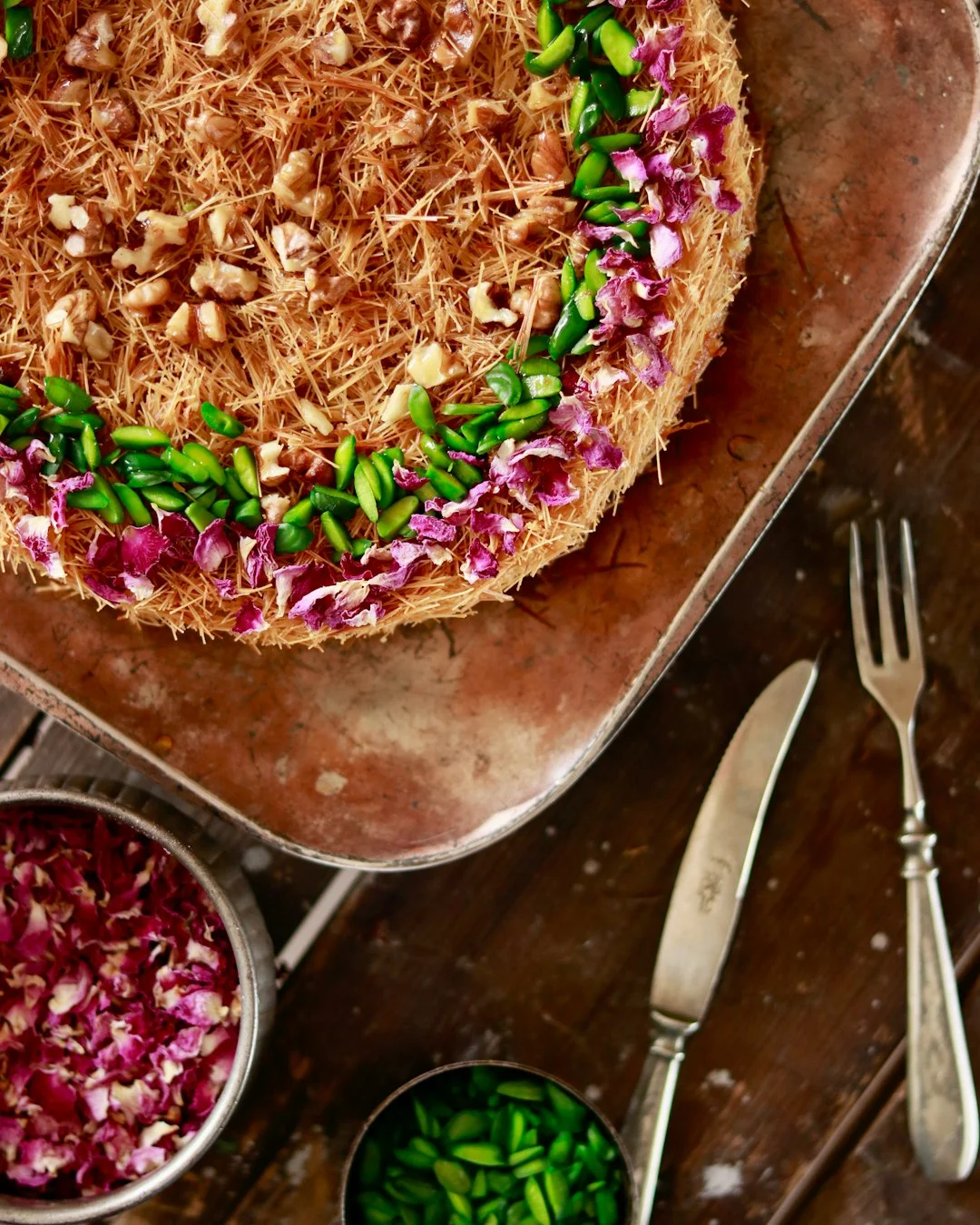
The knafeh is now ready to be served, and it’s best served warm, topped with a sprinkle of pistachios and a drizzle of syrup, and you can also serve it with a side of cardamom coffee or tea, and the combination of the crispy phyllo dough and creamy cheese is a match made in heaven, and the rose water adds a unique and delicious flavor
Step 6: Store Leftovers
If you have any leftovers, you can store them in an airtight container in the fridge for up to 3 days, and to reheat, simply microwave for a few seconds or heat in a pan over low heat, and be careful not to overheat, as this can make the cheese tough, and if you’re planning to serve it at a later time, you can also freeze it for up to 2 months
Making palestinian knafeh is a bit of an art, but with these steps, you’ll be well on your way to creating this delicious dessert, and remember to be patient and take your time, as the end result is well worth the effort, and don’t be afraid to experiment with different combinations of ingredients to find your perfect balance, and with a little practice, you’ll be making knafeh like a pro, and it’s a great dessert to serve at parties or special occasions, as it’s sure to impress your guests
Tips and Variations
Phyllo Dough Tips
When working with phyllo dough, it’s essential to handle it gently to avoid tearing, and if you do tear it, don’t worry, it’s an easy fix, and you can simply brush the torn area with a little water and press it back together, and make sure to thaw the dough according to the package instructions, and don’t overwork the dough, as this can make it tough
One of the best things about palestinian knafeh is its versatility, and you can customize it to your taste by adding different ingredients or spices, and some popular variations include adding a sprinkle of cinnamon or nutmeg on top, or using different types of cheese, such as mozzarella or feta, and you can also add a few drops of orange blossom water to the syrup for a unique flavor, and don’t be afraid to experiment and find your own perfect combination, and with a little practice, you’ll be creating your own unique variations of knafeh
The Importance of Rose Water
The Flavor of Rose Water
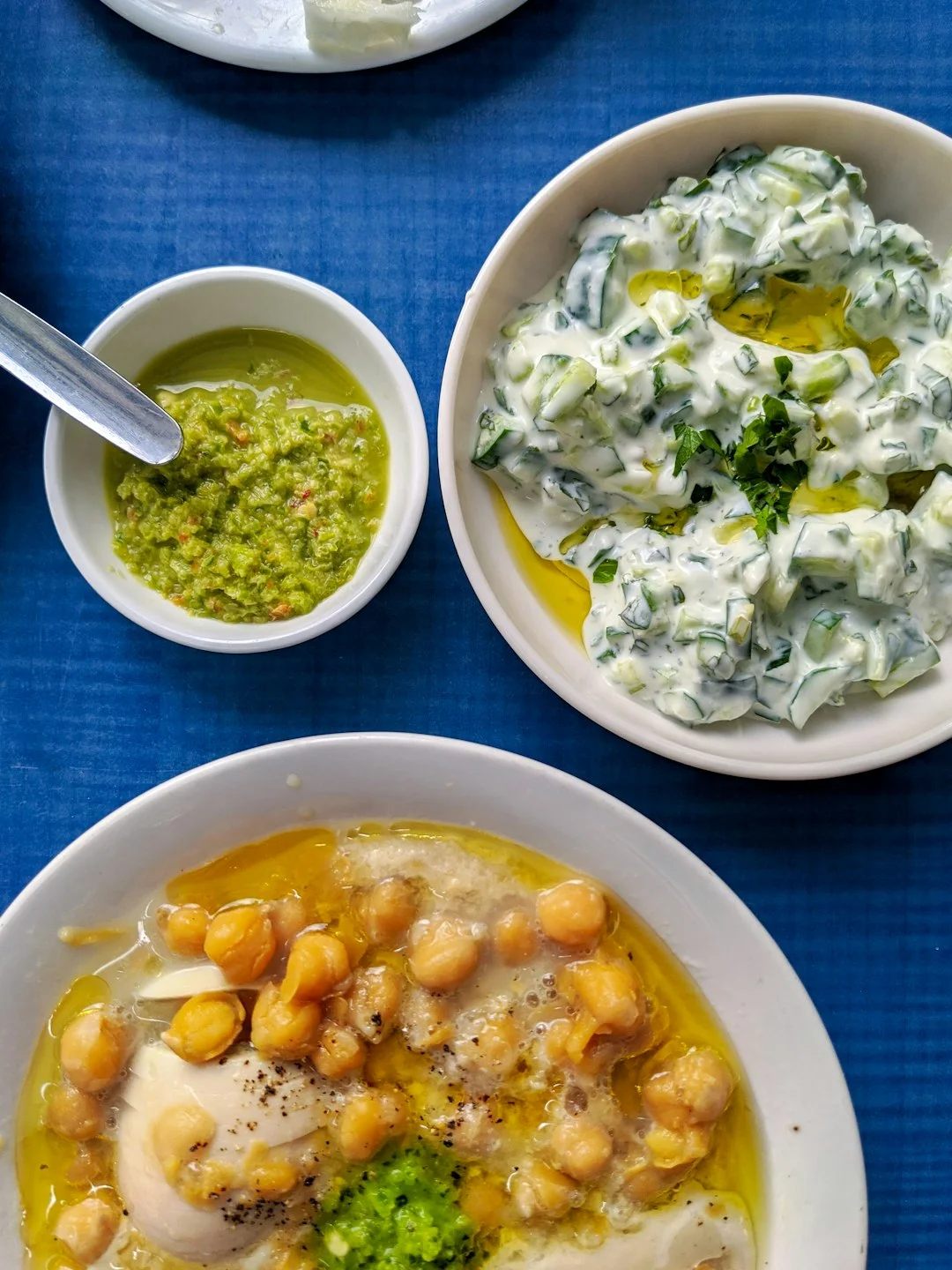
Rose water is a key ingredient in palestinian knafeh, and it adds a unique and delicious flavor to the dish, and it’s made by distilling rose petals, and the resulting liquid is a fragrant and flavorful addition to the cheese and phyllo dough, and it’s essential to use high-quality rose water to get the best flavor, and you can find it in most Middle Eastern markets or online
Rose water is a key ingredient in many Middle Eastern desserts, and it’s especially important in palestinian knafeh, where it adds a unique and delicious flavor to the dish, and it’s made by distilling rose petals, and the resulting liquid is a fragrant and flavorful addition to the cheese and phyllo dough, and it’s essential to use high-quality rose water to get the best flavor, and you can find it in most Middle Eastern markets or online, and don’t be afraid to experiment with different amounts to find your perfect balance, and with a little practice, you’ll be using rose water like a pro
The Cultural Significance of Knafeh
A Symbol of Hospitality
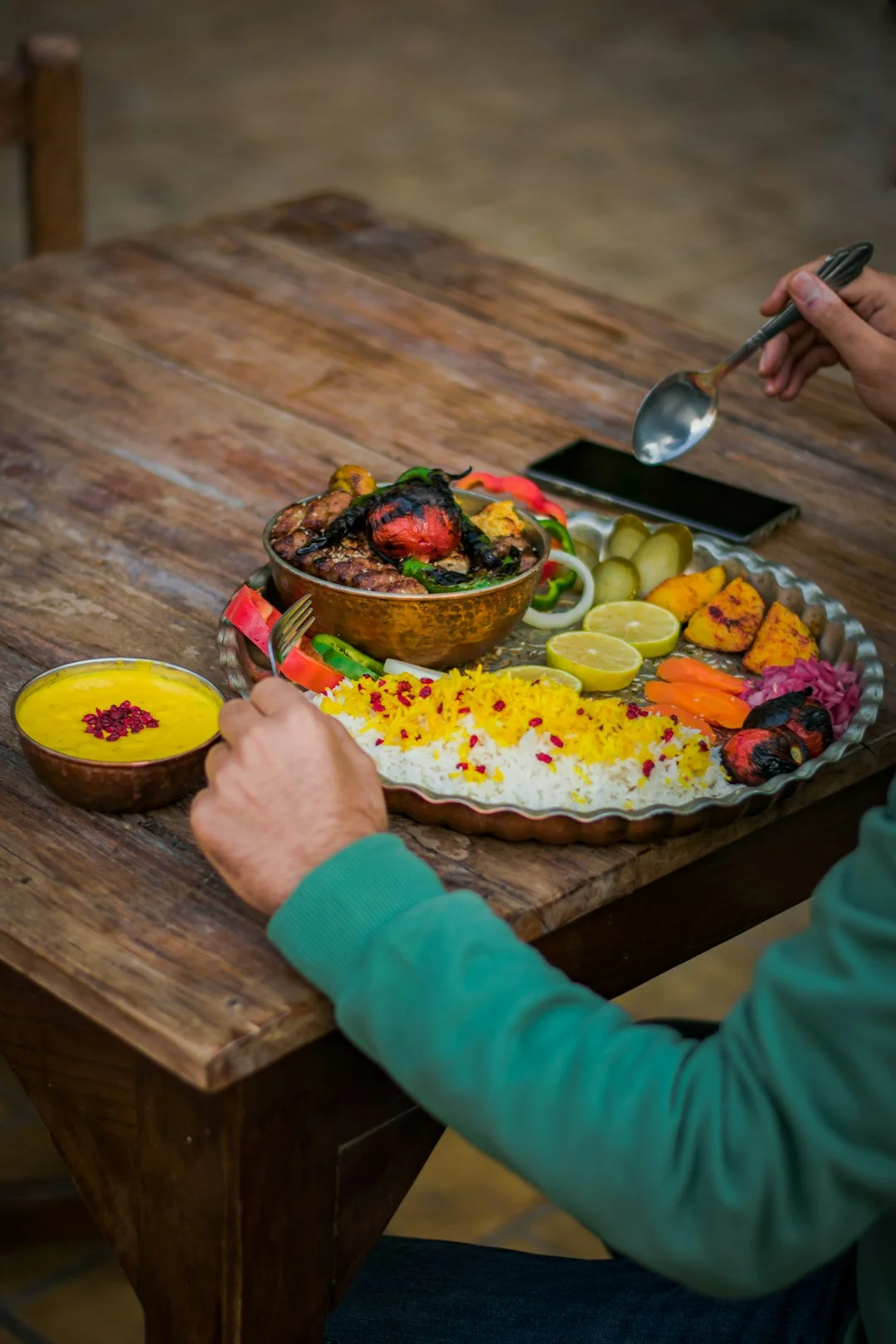
In Palestinian culture, knafeh is a symbol of hospitality, and it’s often served to guests as a sign of respect and welcome, and it’s a delicious and meaningful way to show your appreciation for your guests, and it’s also a popular dessert at weddings and other celebrations, where it’s often served in large quantities, and the combination of the crispy phyllo dough and creamy cheese is a match made in heaven
Palestinian knafeh is more than just a dessert, it’s a symbol of hospitality and culture, and it’s often served to guests as a sign of respect and welcome, and it’s a delicious and meaningful way to show your appreciation for your guests, and it’s also a popular dessert at weddings and other celebrations, where it’s often served in large quantities, and the combination of the crispy phyllo dough and creamy cheese is a match made in heaven, and it’s a great way to experience the rich and vibrant culture of Palestine, and with a little practice, you’ll be making knafeh like a pro, and it’s a great dessert to serve at parties or special occasions, as it’s sure to impress your guests
Common Mistakes to Avoid
Overworking the Dough
One of the most common mistakes when making palestinian knafeh is overworking the phyllo dough, and this can make it tough and difficult to work with, and it’s essential to handle the dough gently and avoid overmixing, and if you do tear the dough, don’t worry, it’s an easy fix, and you can simply brush the torn area with a little water and press it back together
When making palestinian knafeh, there are a few common mistakes to avoid, and one of the most important is overworking the phyllo dough, and this can make it tough and difficult to work with, and it’s essential to handle the dough gently and avoid overmixing, and if you do tear the dough, don’t worry, it’s an easy fix, and you can simply brush the torn area with a little water and press it back together, and another common mistake is not using high-quality ingredients, and this can make a big difference in the final product, and it’s essential to use the best cheese and phyllo dough you can find, and with a little practice, you’ll be making knafeh like a pro
Serving and Pairing
Cardamom Coffee
One of the best ways to serve this one is with a cup of cardamom coffee, and the combination of the crispy phyllo dough and creamy cheese is a match made in heaven, and the cardamom adds a unique and delicious flavor to the coffee, and it’s a great way to experience the rich and vibrant culture of Palestine
The dish is a versatile dessert that can be served in a variety of ways, and one of the best ways is with a cup of cardamom coffee, and the combination of the crispy phyllo dough and creamy cheese is a match made in heaven, and the cardamom adds a unique and delicious flavor to the coffee, and it’s a great way to experience the rich and vibrant culture of Palestine, and you can also serve it with a side of fruit or nuts, or use it as a topping for ice cream or yogurt, and the possibilities are endless, and with a little practice, you’ll be creating your own unique variations of knafeh

Conclusion
The Joy of Palestinian Knafeh
Making this treat is a labor of love, and it’s a great way to experience the rich and vibrant culture of Palestine, and the combination of the crispy phyllo dough and creamy cheese is a match made in heaven, and with a little practice, you’ll be making knafeh like a pro, and it’s a great dessert to serve at parties or special occasions, as it’s sure to impress your guests
In conclusion, it is a delicious and meaningful dessert that’s steeped in culture and tradition, and it’s a great way to experience the rich and vibrant culture of Palestine, and with these steps and tips, you’ll be well on your way to creating this delicious dessert, and remember to be patient and take your time, as the end result is well worth the effort, and don’t be afraid to experiment with different combinations of ingredients to find your perfect balance, and with a little practice, you’ll be making knafeh like a pro, and it’s a great dessert to serve at parties or special occasions, as it’s sure to impress your guests
What is the origin of palestinian knafeh
The origin of the result is often credited to the city of Nablus in Palestine, where it has been a staple for centuries, and each family has their own secret recipe, passed down through generations, and the art of making it has been refined over time, with the city’s unique cheese and phyllo dough being the key ingredients, making it a must-try when visiting the region
We hope you’ve enjoyed this recipe for this, and we’d love to hear your thoughts and feedback, so please leave a comment below, and if you have any questions or need further clarification, don’t hesitate to ask, and don’t forget to share your creations with us on social media, and happy baking If you love this, you might also enjoy our super soft chocolate espresso rolls recipe!
Recipe Checklist
- phyllo dough
- akawi cheese
- ghee
- rose water
- orange blossom water
- sugar
- water
Frequently Asked Questions
Final Thoughts
We hope you’ve enjoyed this recipe for it, and we’d love to hear your thoughts and feedback, and don’t forget to share your creations with us on social media, and happy baking, and remember to always use high-quality ingredients and to be patient and take your time, as the end result is well worth the effort, and with a little practice, you’ll be making knafeh like a pro
If you enjoyed this recipe, you might also love Authentic Beef Biryani Recipe in 40 Minutes and Crispy Fried Lasagna Rolls Recipe: Irresistible Italian Delight.