Shahi Tukray – Rich, Creamy Pakistani Royal Dessert
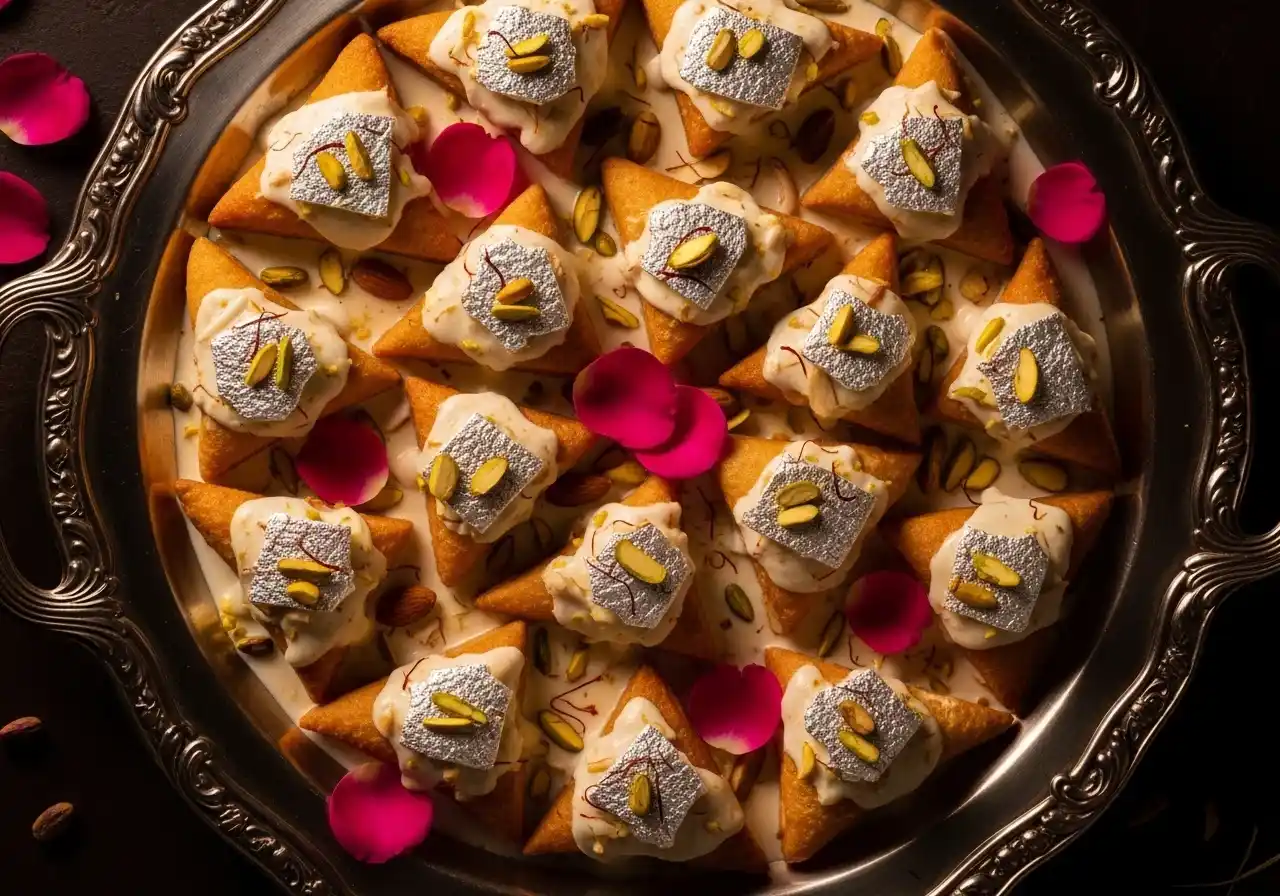
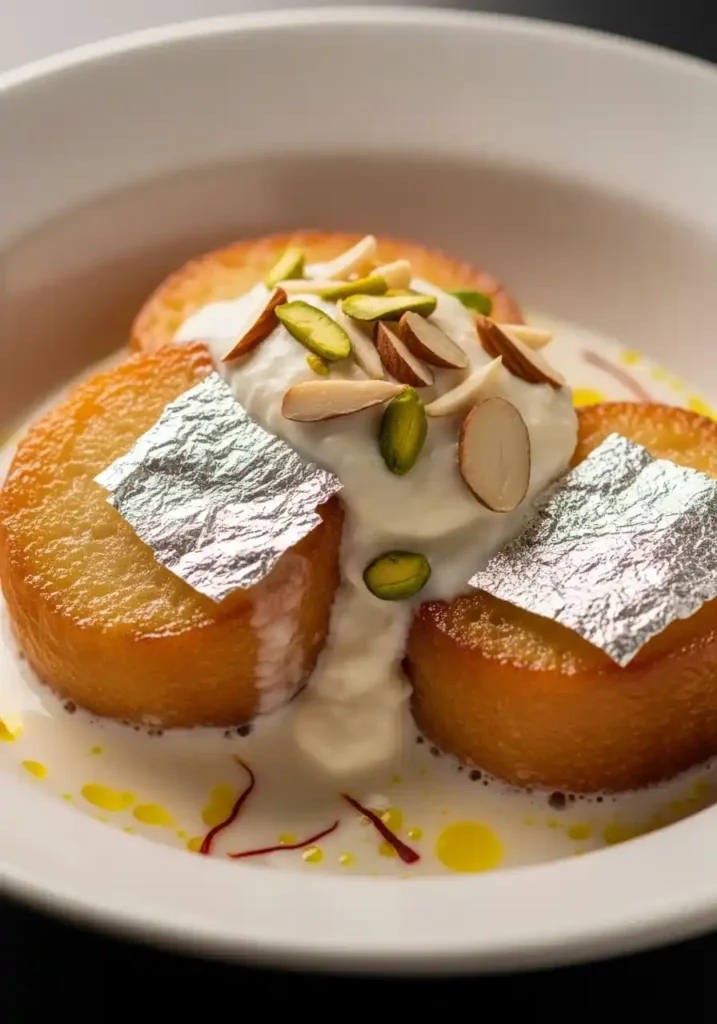
If there is one dessert that embodies the grandeur and warmth of Pakistani and South Asian festive cooking, it is shahi tukray. The name itself translates to ‘royal pieces’ — and that is exactly what this dessert delivers. Golden-fried slices of bread are soaked in fragrant saffron-infused milk, then crowned with a thick, velvety layer of slow-cooked rabri cream and garnished with silver warq, pistachios, and almonds. Every bite is an experience of pure royal indulgence.
Whether you are making it for Eid, a wedding celebration, a dinner party, or simply to honor a beloved family tradition, this recipe will guide you to an authentic, perfectly executed result that everyone at the table will remember.
The Royal History Behind Shahi Tukray
The origins of shahi tukray trace back to the royal kitchens of the Mughal Empire, where elaborate desserts were crafted using the finest ingredients — saffron, silver leaf, dry fruits, and thickened cream. The dish is believed to have evolved from the Middle Eastern Om Ali and was refined over centuries in the subcontinent into the luscious version we know and love today.
It remains one of the most celebrated desserts at Pakistani and Indian festive gatherings, particularly during Ramadan, Eid celebrations, and wedding feasts. Making it at home connects you to generations of culinary tradition and brings a touch of royalty to any occasion.
Ingredients You Will Need
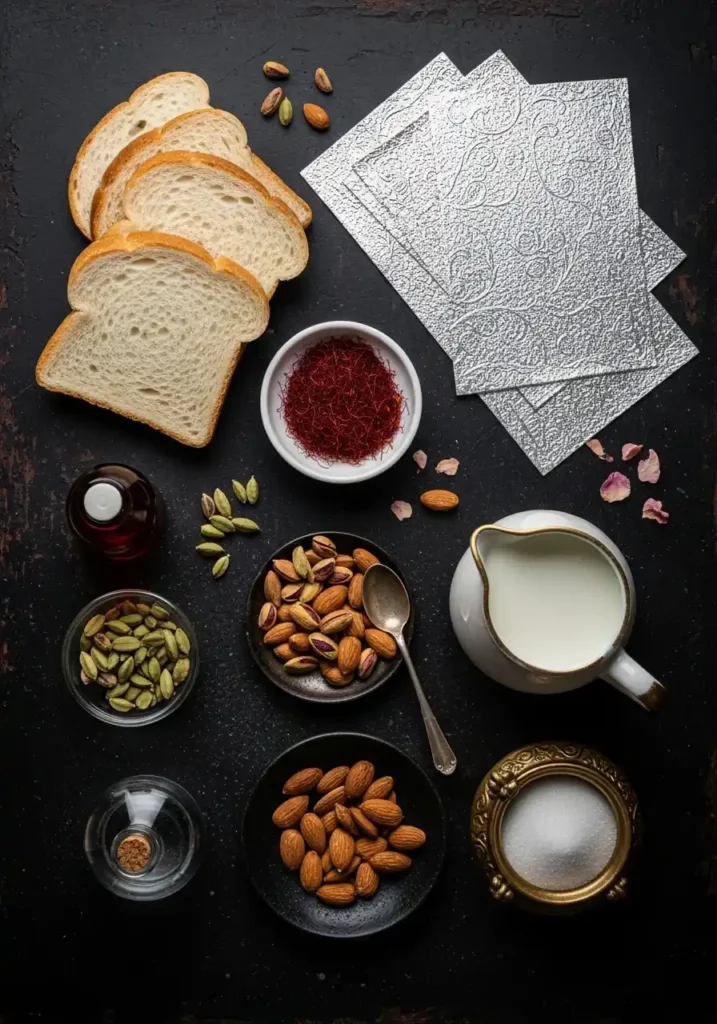
Here is a complete breakdown of everything that goes into making authentic shahi tukray from scratch.
| Ingredient | Amount | Notes |
| White bread slices | 6 thick slices | Day-old bread fries best |
| Oil or ghee for frying | For deep frying | Ghee adds authentic flavor |
| Whole full-fat milk | 1 litre (4 cups) | For making the rabri |
| Sugar | ½ cup (100 g) | Divided — for rabri and milk soak |
| Saffron strands | A generous pinch | Soaked in 2 tbsp warm milk |
| Cardamom powder | ½ tsp | Freshly ground is best |
| Condensed milk | 3-4 tbsp | Sweetens and thickens the rabri |
| Kewra water (screwpine) | 1 tsp | Adds floral fragrance |
| Rose water | 1 tsp | Optional; classic addition |
| Khoya (mawa) | ¼ cup (50 g) | Optional; deepens the rabri |
| Pistachios (sliced) | 3 tbsp | For garnish |
| Almonds (sliced) | 3 tbsp | For garnish |
| Silver warq | 2-3 sheets | Optional; for royal presentation |
| Desiccated coconut | 1 tbsp | Optional garnish |
Equipment You Will Need
You will need a wide, heavy-bottomed saucepan or kadai for making the rabri, a deep frying pan or wok for frying the bread, a wide shallow dish for soaking the fried bread in the saffron milk, a serving platter or individual dessert dishes, and a ladle for spooning the rabri over the top. A heavy-bottomed pan is essential for the rabri to prevent scorching.
Step-by-Step Instructions
Step 1 – Make the Rabri (Begin First)
Pour the full-fat milk into a wide, heavy-bottomed saucepan and bring it to a full boil over medium-high heat, stirring constantly. Once boiling, reduce the heat to medium-low and let it simmer uncovered, stirring every few minutes and scraping the cream that forms on the sides and base back into the milk.
Continue this process for 35-45 minutes until the milk reduces to approximately one-third of its original volume and becomes thick, creamy, and a beautiful pale ivory color. Add the condensed milk, sugar (to taste), cardamom powder, kewra water, and the saffron-infused milk. Stir well and cook for another 5 minutes. If using khoya, crumble it in and stir until dissolved. Set the rabri aside to cool slightly.
Step 2 – Prepare the Saffron Milk Soak
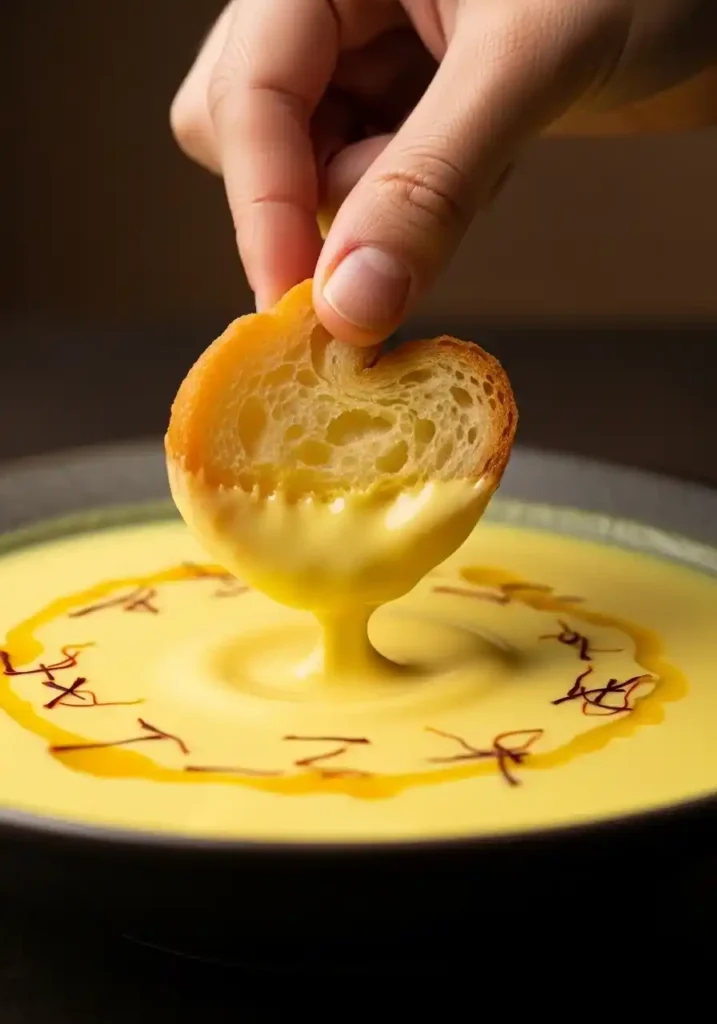
In a wide shallow dish, combine 1.5 cups of warm milk with 2-3 tablespoons of sugar, a few saffron strands, and a splash of rose water or kewra water. Stir until the sugar dissolves completely and the milk takes on a gorgeous golden saffron color. This fragrant milk is what the fried bread will soak in — it is the soul of authentic shahi tukray.
Step 3 – Fry the Bread
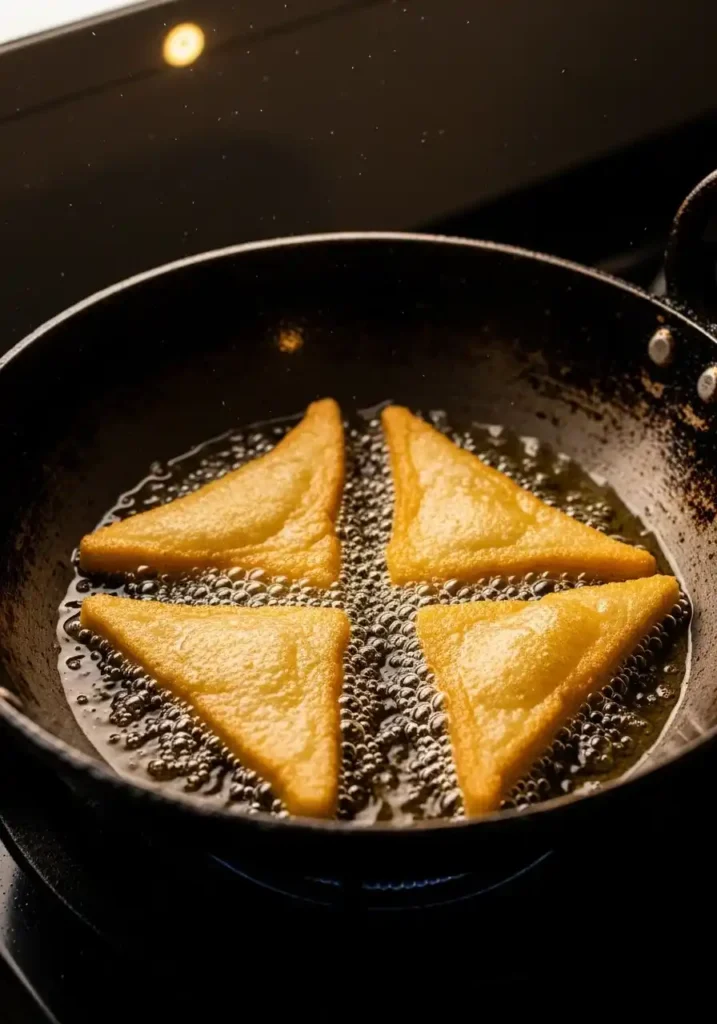
Trim the crusts off the bread slices and cut each slice into two triangles or rectangles — whichever shape you prefer for plating. Heat ghee or oil in a deep frying pan over medium heat. Fry the bread pieces in batches until deep golden and crispy on both sides — about 2 minutes per side. The bread should be evenly golden all over with no pale spots. Drain on paper towels. The crispy texture of the fried bread is a defining characteristic of great shahi tukray — do not rush this step.
Step 4 – Soak the Fried Bread
While the fried bread is still warm, dip each piece into the saffron milk soak and let it absorb the liquid for 20-30 seconds on each side. The bread should soak up the fragrant milk and become soft on the inside while still holding its shape. Do not over-soak or the bread will become mushy. Arrange the soaked pieces in a single layer on your serving platter.
Step 5 – Top with Rabri and Garnish
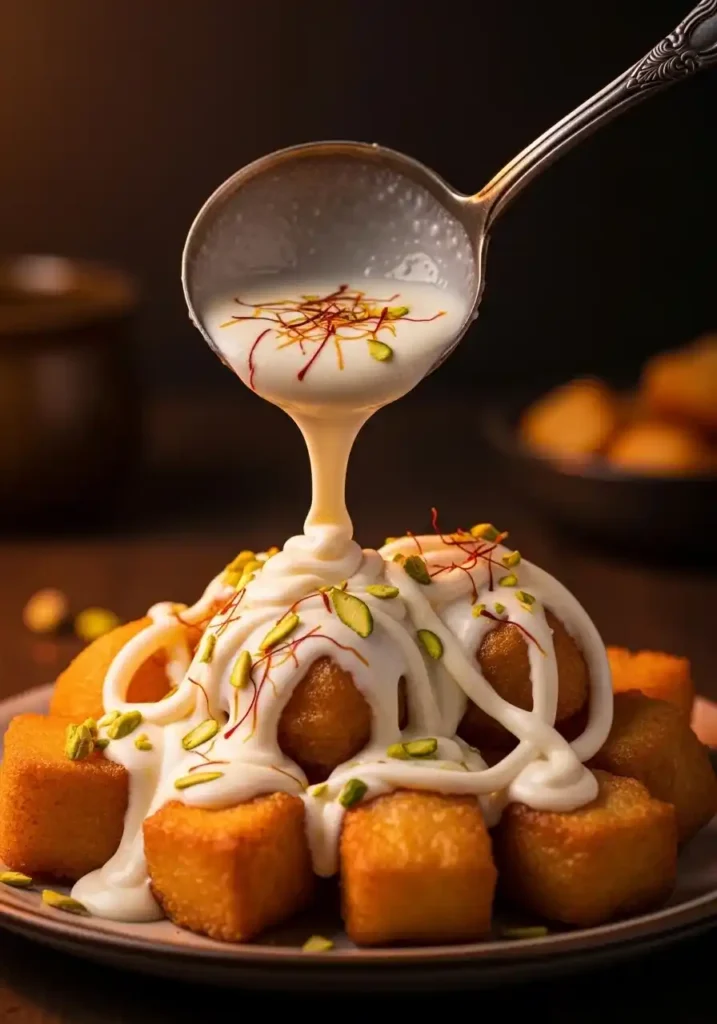
Spoon the warm rabri generously over the soaked bread pieces, ensuring every piece is well covered with a thick layer of the cream. This is the moment your shahi tukray transforms into something truly royal. Garnish lavishly with sliced pistachios, sliced almonds, and a light dusting of cardamom. If using silver warq, gently lay sheets over the rabri just before serving for a breathtaking, authentic presentation.
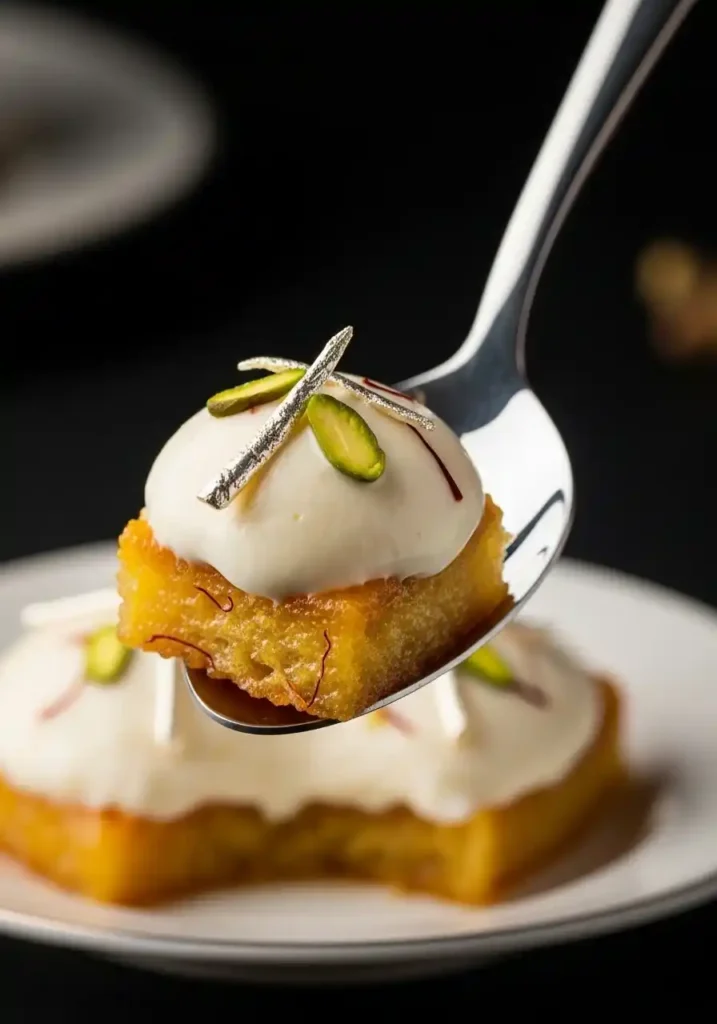
You can serve shahi tukray warm immediately, or refrigerate for 1-2 hours to allow the flavors to meld and the rabri to set into a denser, more luxurious texture. Both versions are absolutely wonderful — warm is more indulgent, cold is more refined.
Pro Tips for Authentic Results
Use day-old bread. Fresh bread contains more moisture and tends to become soggy too quickly when soaked. Day-old bread has dried out slightly, giving it the strength to absorb the saffron milk without falling apart.
Never rush the rabri. Good rabri takes time and patience. Cooking over too high a heat causes scorching and a grainy texture. Low, slow simmering with frequent stirring produces the silkiest, most authentic result.
Use real saffron. Saffron is the defining spice of this dish. Do not substitute with yellow food color. Real saffron adds a distinct floral aroma, a subtle earthy flavor, and a genuinely beautiful golden hue that no artificial color can replicate.
Fry in ghee if possible. While oil works perfectly well, frying the bread in pure desi ghee adds an incomparable richness and a deep, nutty aroma to the finished shahi tukray that makes it taste truly authentic and deeply satisfying.
Variations Across the Subcontinent
While this recipe follows a classic Pakistani approach, shahi tukray has wonderful regional variations. In some versions, the bread is baked rather than fried for a lighter result. Others add a layer of sweetened khoya directly on the bread before the rabri. Some families add a drizzle of honey over the top just before serving. In Hyderabadi versions, fried vermicelli is added to the rabri for texture. Each variation is delicious — explore them once you have mastered the classic.
How to Store
Shahi tukray keeps well in the refrigerator, covered, for up to 2 days. The flavor actually deepens and improves overnight as the bread fully absorbs the rabri and saffron milk. The texture becomes denser and more custardy — some people prefer it this way. Serve cold directly from the refrigerator or allow it to come to room temperature for 20 minutes before serving.
Final Thoughts
Few desserts carry the same cultural weight, historical richness, and sheer indulgence as shahi tukray. It is a dessert that tells a story — of royal Mughal kitchens, of slow-cooked milk, of saffron and silver, of celebrations and loved ones gathered around a table. Once you make it from scratch at home, you will understand why it has been beloved across generations and borders for centuries. It is not just a dessert — it is a tradition.
If you enjoy bold, rich flavors from global cuisines, do not miss our Tuscan Chicken Pasta — a creamy, garlicky, sun-dried tomato pasta that brings all the warmth of Italian cooking to your dinner table in just 30 minutes!