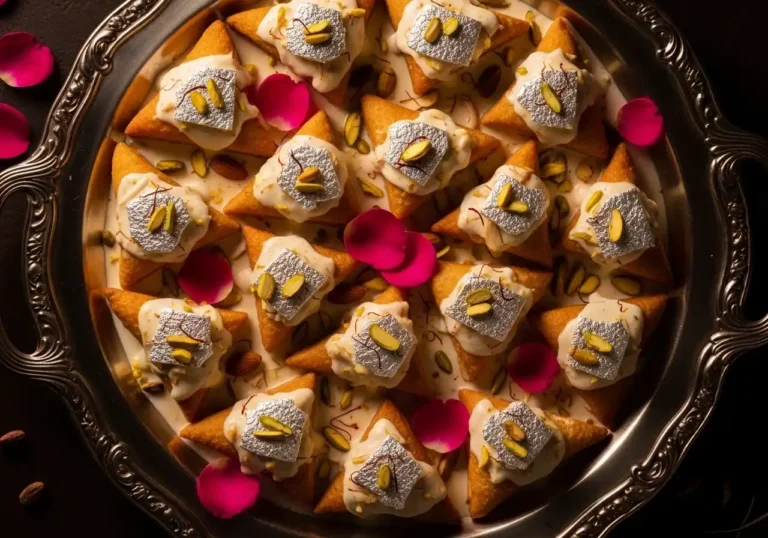
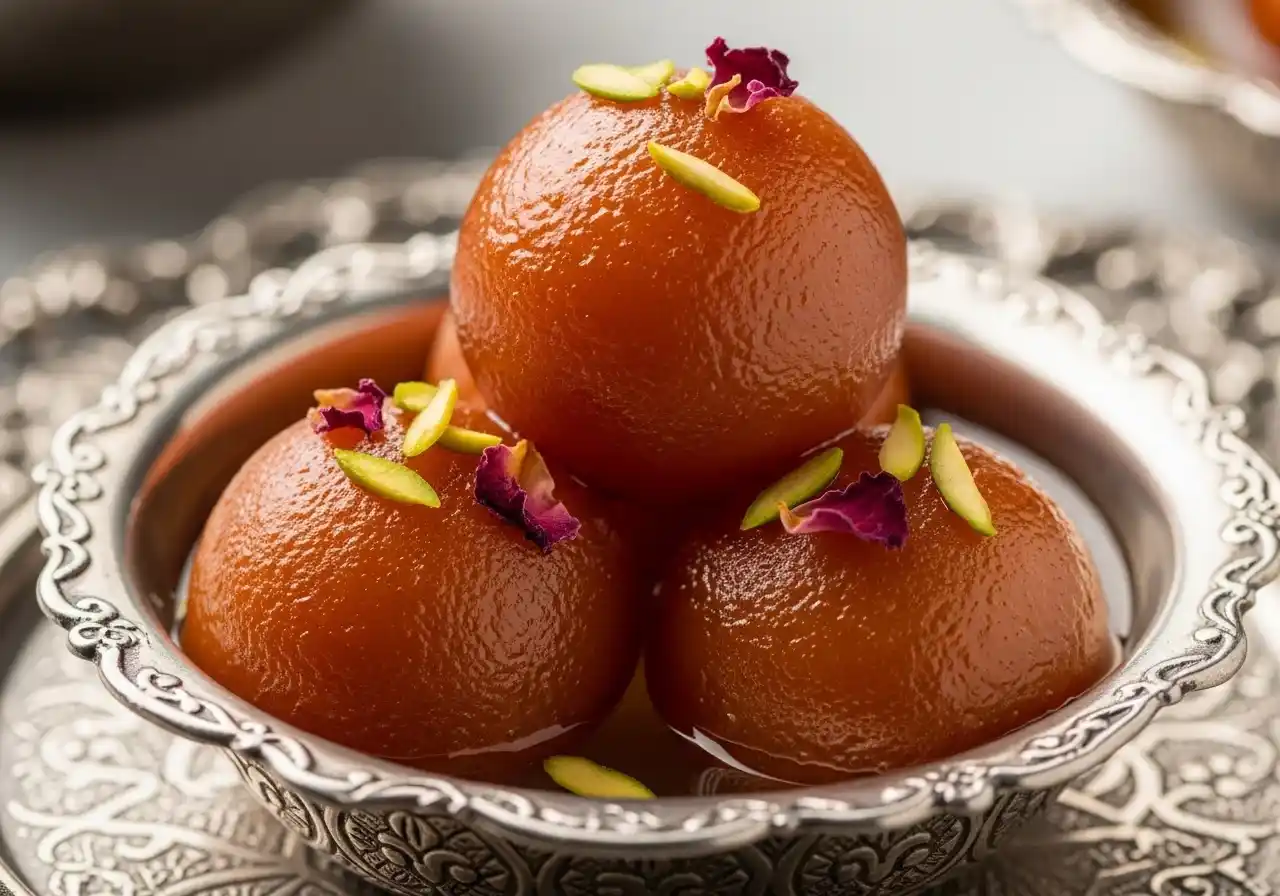
Best Authentic Gulab Jamun Recipe: Soft & Melt-in-Mouth
In the vibrant tapestry of Indian sweets, no dessert holds a place of greater affection and ubiquity than the humble yet heavenly gulab jamun. Often referred to as the ‘King of Indian Sweets,’ these deep-fried, syrup-soaked dumplings are a cornerstone of every celebratory occasion, from Diwali festivals and grand weddings to simple family gatherings. The name itself is a blend of poetic and botanical references: ‘Gulab’ derived from the Persian words for rose (gul) and water (ab), and ‘Jamun’ referring to the Indian black plum, which the sweet resembles in size and shape. The magic of this dessert lies in its texture—a delicate balance of a slightly firm, caramelized exterior and a soft, spongy interior that releases a burst of aromatic cardamom and rose-infused syrup with every single bite.

While modern versions often use milk powder or bread as a shortcut, the truly authentic experience comes from using ‘Khoya’ (reduced milk solids). It is a process that requires a gentle touch and a bit of patience, but the reward is a dessert that is incomparably superior to anything found in a can. In this guide, we will break down the science behind achieving that perfect, crack-free surface and the elusive melt-in-mouth core. Whether you are a beginner or a seasoned cook, mastering this recipe will ensure you can bring the authentic taste of an Indian festive kitchen into your own home, wherever you are in the world.
The History and Cultural Significance
The story of gulab jamun is one of cross-cultural culinary evolution. Historians believe it evolved from a Persian dessert called ‘Luqmat-al-Qadi’, which was brought to the Indian subcontinent during the Mughal era. Over centuries, Indian cooks adapted the recipe by using local milk solids (Khoya) instead of a simple flour dough, and infusing the sugar syrup with indigenous flavors like cardamom, saffron, and rose petals. This fusion created a unique identity for the sweet, cementing it as the most beloved dessert across South Asia. Today, it transcends regional borders, enjoyed from the northern plains of Punjab to the southern tips of Sri Lanka, each region adding its own subtle twist to the foundational recipe.
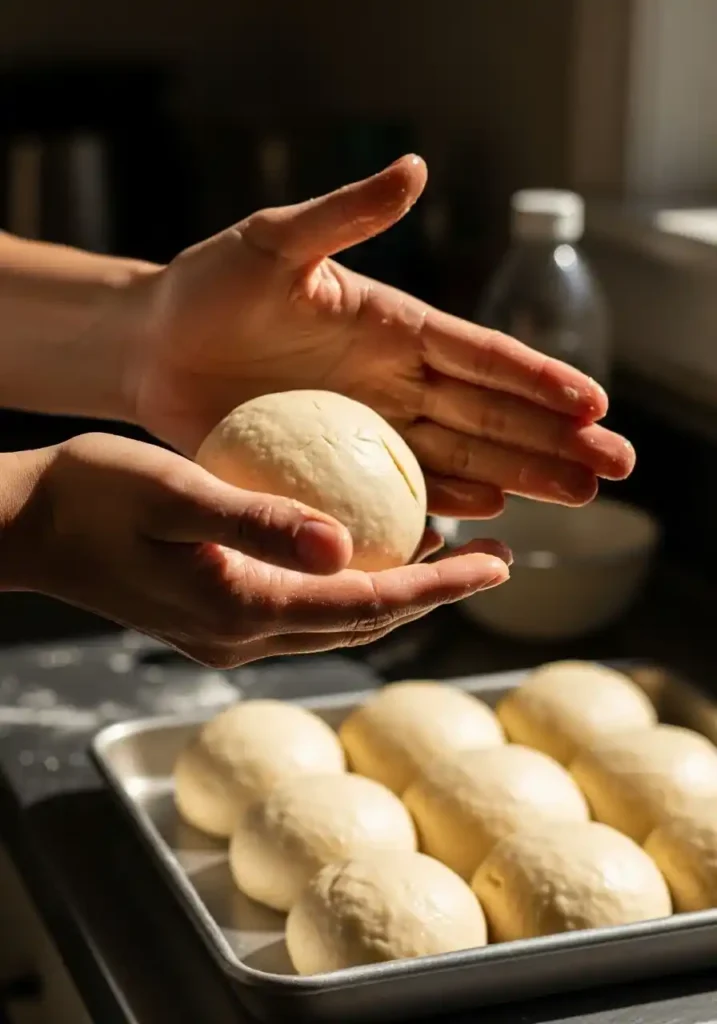
Culturally, this sweet is synonymous with hospitality. It is often the first thing offered to guests as a sign of respect and warmth. Its presence on a dining table signifies joy and the sharing of life’s sweetest moments. The ritual of making them at home—the careful rolling of the dough, the slow frying until golden brown, and the patient waiting as they soak in the warm syrup—is a tradition passed down through generations. This deep emotional connection is why, no matter how many new desserts emerge, the classic remains an undisputed favorite for millions.
What You Will Need
The heart of exceptional sweets lies in the purity of the ingredients. For the most authentic flavor, we recommend using fresh Khoya, but a high-quality Full Cream Milk Powder (unpitted) works exceptionally well for home cooks. The syrup is equally important—it must be thin enough to penetrate the dumpling but rich enough to coat it beautifully. Use fresh green cardamoms and real saffron strands for the most complex and inviting aroma.
The Dumpling Ingredients (Makes 15-18):
| Ingredient | Quantity | Notes |
| Milk powder (full fat) | 1 cup (125 g) | Ensures richness and soft texture |
| All-purpose flour (Maida) | 1/4 cup (30 g) | For binding and structure |
| Ghee (clarified butter) | 1 tbsp | Softens the dough |
| Whole milk | 4-5 tbsp | Add slowly to form the dough |
| Baking soda | A tiny pinch | For the perfect lift |
| Ghee or oil for frying | — | Enough to submerge the balls |
The Aromatic Sugar Syrup:
| Ingredient | Quantity | Notes |
| Granulated sugar | 1 1/2 cups (300 g) | Adjust to sweetness preference |
| Water | 1 1/2 cups (360 ml) | |
| Green cardamom pods | 4-5 | Crushed slightly |
| Saffron strands | A pinch | For golden color and aroma |
| Rose water | 1 tsp | Add at the very end |
| Lemon juice | 1/2 tsp | Prevents syrup crystallization |
Step-by-Step Preparation Guide for Gulab Jamun
Step 1 – Prepare the Sugar Syrup
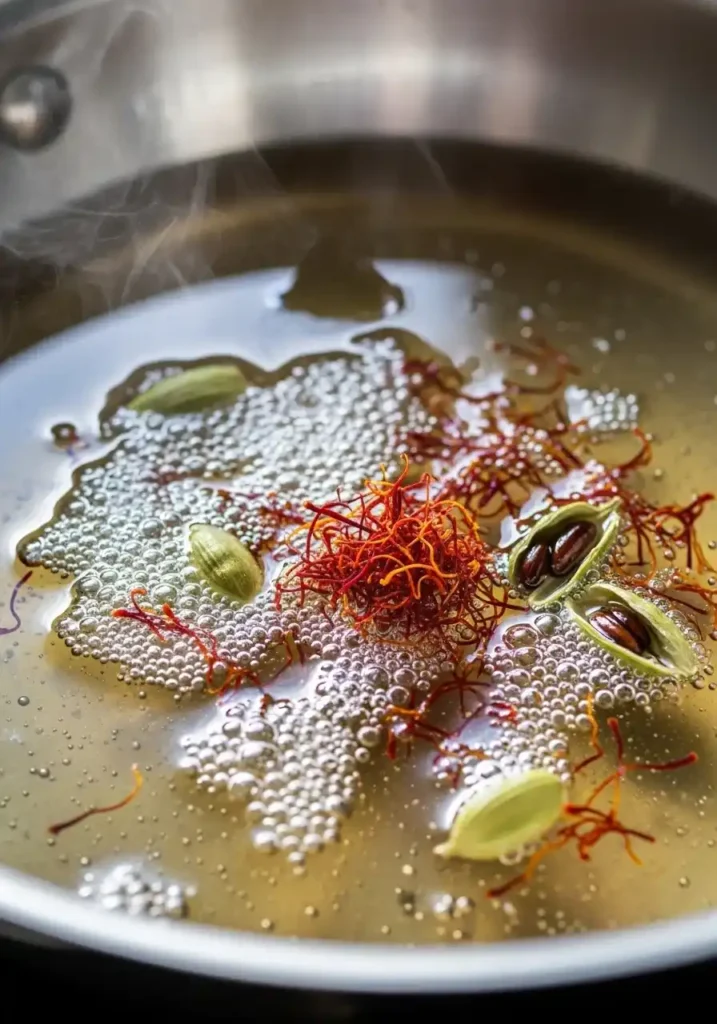
In a wide saucepan, combine water and sugar. Bring to a boil over medium heat, stirring until the sugar completely dissolves. Add the crushed cardamoms and saffron strands. Simmer the syrup for about 5 to 7 minutes until it becomes slightly sticky—you are not looking for a ‘thread’ consistency, just a light syrup. Stir in the lemon juice to prevent the sugar from crystallizing as it cools. Remove from heat and add the rose water. Keep the syrup warm on the side; if it is too cold, the dumplings won’t absorb it, and if it is boiling, they might break apart.
Step 2 – Form the Dough
In a large bowl, whisk together the milk powder, flour, and baking soda. Incorporate the ghee by rubbing it into the flour mixture with your fingertips until it resembles fine crumbs. Slowly add the milk, one tablespoon at a time, and mix gently. Do not knead! You want to bring the dough together into a soft, slightly sticky mass. If you overwork the dough or knead it hard like bread, the gluten will develop and the finished sweets will be rubbery and hard instead of soft and spongy. Let the dough rest for 5 minutes, then grease your palms with a little ghee and roll small, perfectly smooth balls. Ensure there are no cracks on the surface, as these will expand and cause the balls to break during frying.
Step 3 – The Gentle Frying
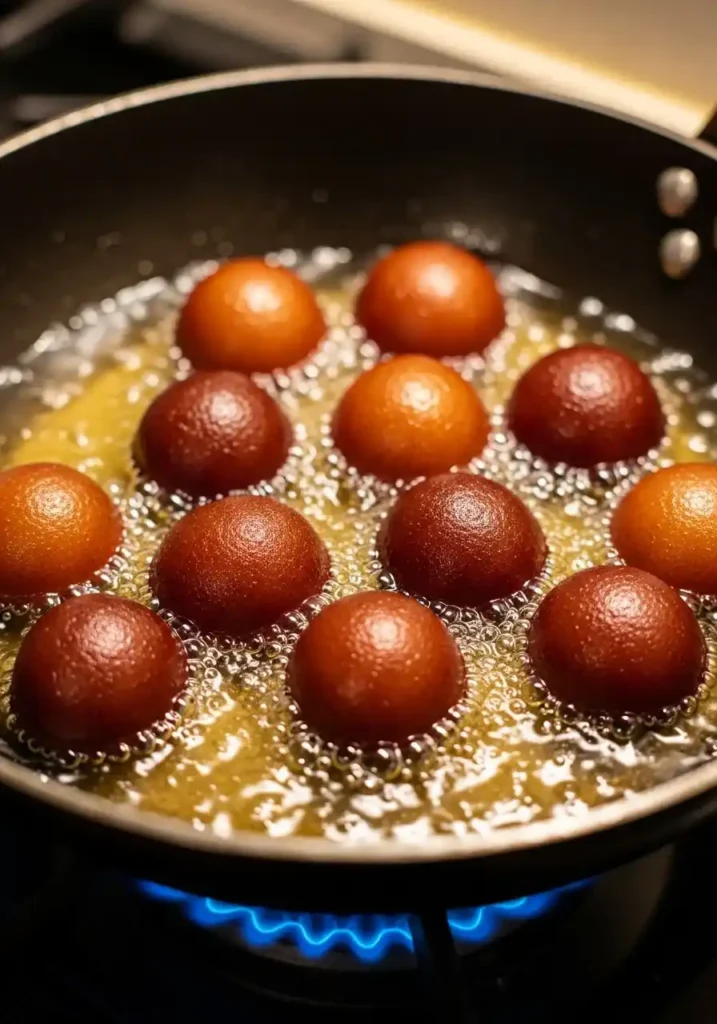
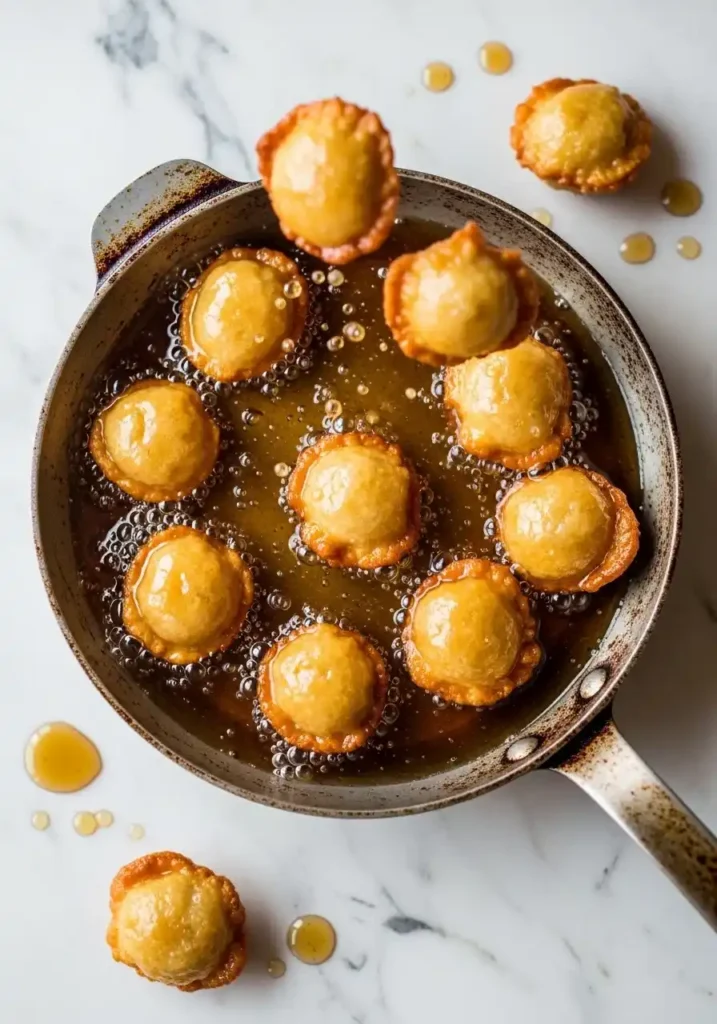
Heat ghee or oil in a deep frying pan on very low heat. This is the most critical phase. The fat must not be too hot—if it is, the outside will brown too quickly while the inside remains raw and doughy. Drop a tiny piece of dough into the oil; it should slowly rise to the top without changing color immediately. Gently slide the balls into the oil. Don’t crowd the pan. Use a slotted spoon to gently rotate the oil around the balls (try not to touch the balls directly at first). This ensures uniform browning. Fry slowly for about 8 to 10 minutes until they are a deep golden-maroon color all the way around.
Step 4 – Soaking for Perfection
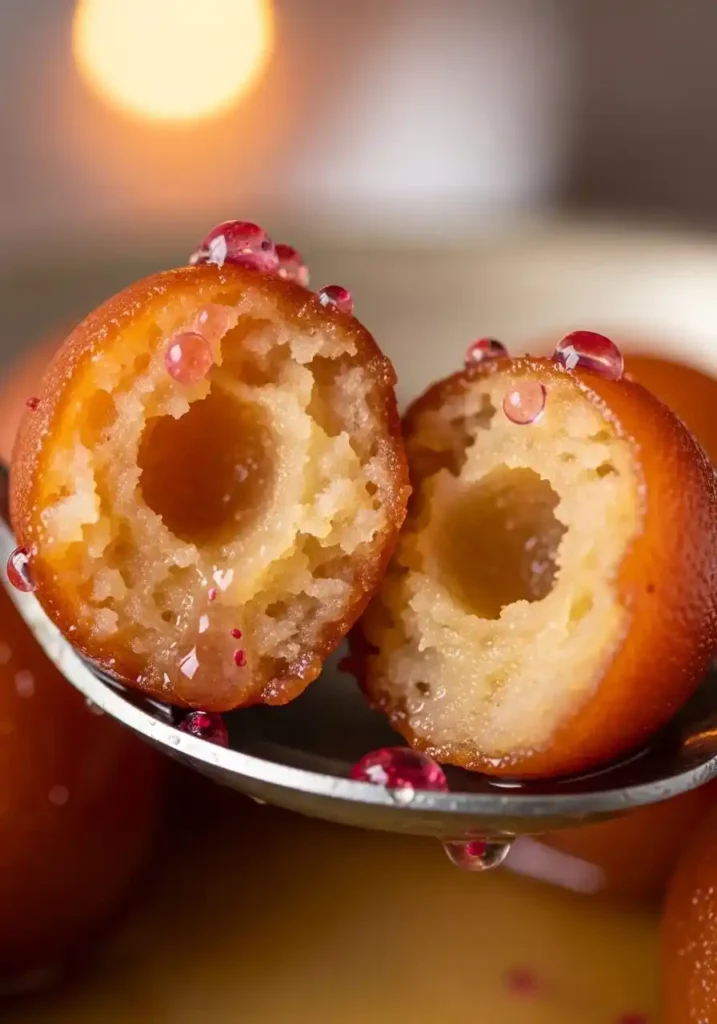
As soon as the balls are fried, remove them with a slotted spoon and drain on a paper towel for 30 seconds. Then, drop them into the warm syrup. They will initially float on the surface. Cover the pan and allow them to soak for at least 2 to 3 hours. During this time, they will double in size as they absorb the fragrant liquid, becoming heavy and eventually sinking toward the bottom. This resting period is essential for the flavors to penetrate the core and for the texture to become perfectly soft.
Pro Tips for Success Every Time
- Always use very low heat for frying — patience is the secret to a soft center.
- Do not knead the dough; a gentle mix keeps the texture light and airy.
- Ensure the dough balls are crack-free; use a drop more milk if the dough is dry.
- The syrup should be warm (not hot!) when the fried balls are added.
- Add a few drops of lemon juice to the syrup to prevent it from turning into sugar crystals.
- Flavoring the syrup with real saffron makes a world of difference in the final aroma.
- Using Ghee for frying adds an incomparable richness that oil cannot match.
Creative Variations to Explore
While the traditional round version is iconic, you can try several variations. For ‘Kala Gulab Jamun,’ the dough is fried at a slightly higher temperature for longer to caramelize the sugars until the exterior is almost black, offering a more intense flavor. A popular festive version, the gulab jamun can also be stuffed with a small piece of ‘mishri’ (sugar candy) or a pistachio in the center before rolling. For a modern fusion, serve them warm with a scoop of premium vanilla bean ice cream; the contrast of the hot, syrupy dumpling and the cold, creamy ice cream is a guaranteed crowd-pleaser.
How to Serve and Store Gulab Jamun
This dessert is incredibly versatile. It can be served warm, at room temperature, or even chilled, depending on personal preference. Garnish with slivered pistachios or almonds for a nice crunch. When it comes to storing your gulab jamun, they keep well in the refrigerator for up to 10 days in an airtight container, fully submerged in their syrup. If you want to serve them warm after refrigerating, simply pop them in the microwave for 15-20 seconds or heat the entire container gently on the stove. This will restore their soft, spongy texture perfectly.

Final Thoughts
Mastering the authentic gulab jamun is a milestone for any home cook interested in global cuisines. It is a dish that rewards the mindful baker—one who values the slow simmer and the gentle stir. While the process may seem daunting at first, the joy of seeing your family’s eyes light up as they bite into a perfectly made sweet is worth every minute of effort. It is more than just a dessert; it is a warm hug in a bowl, a piece of tradition that connects us to the celebratory spirit of the subcontinent. So, roll your sleeves up, put on some music, and create something truly legendary in your kitchen today. And if you are in the mood to explore another showstopping dessert, do not miss our Best Authentic Basque Cheesecake Recipe — a beautifully burnt, creamy masterpiece that is surprisingly easy to make at home.