Japanese Milk Bread Recipe: Soft & Fluffy
If you have ever bitten into a slice of Japanese milk bread and wondered how on earth something can be that soft, that pillowy, and that perfect — you are not alone. This bread has a loyal fan base for a very good reason. It is the kind of bread that makes you close your eyes and just appreciate the moment.
The secret is a Japanese technique called tangzhong, which sounds fancy but is actually incredibly simple. Once you try it, you will never go back to regular sandwich bread again. Let’s bake!
What Makes Japanese Milk Bread So Special?
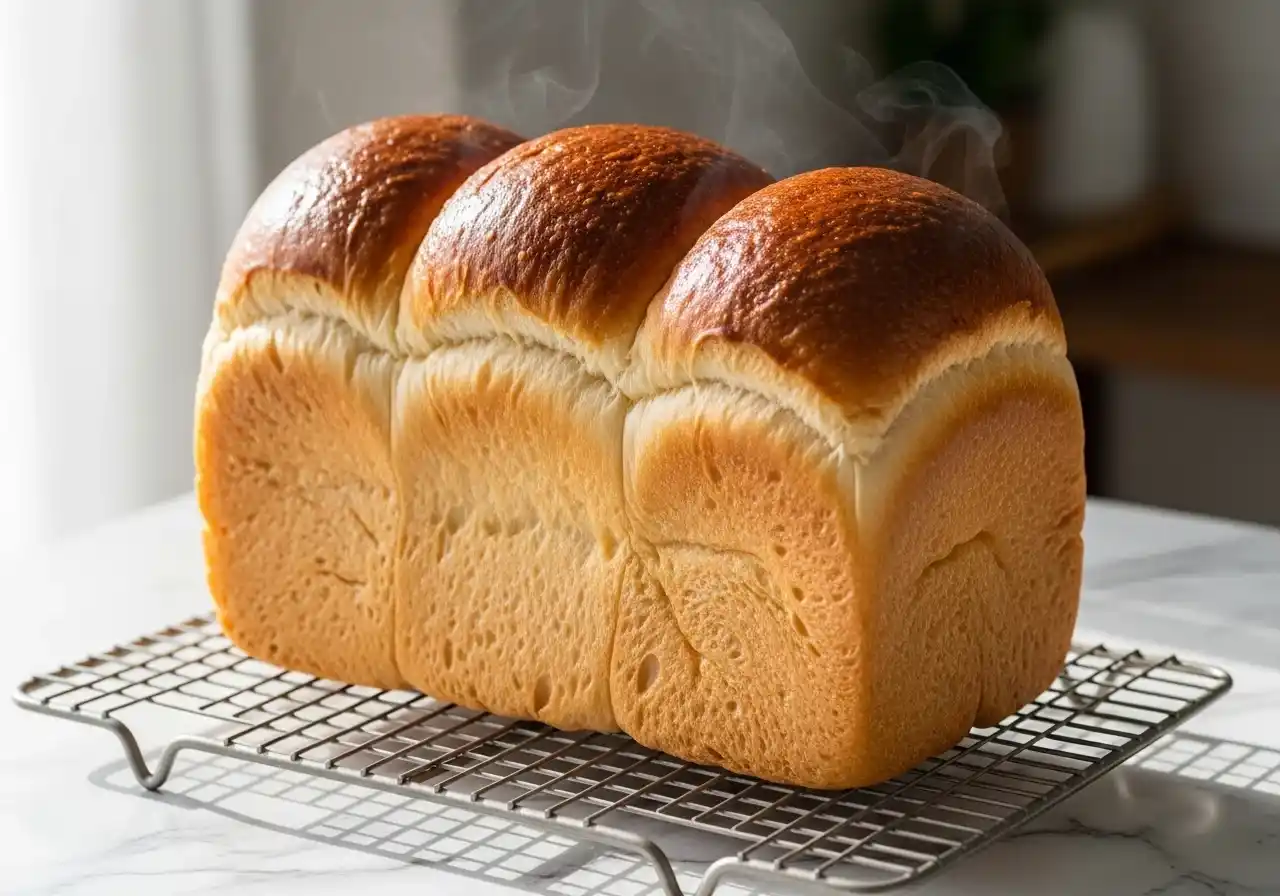
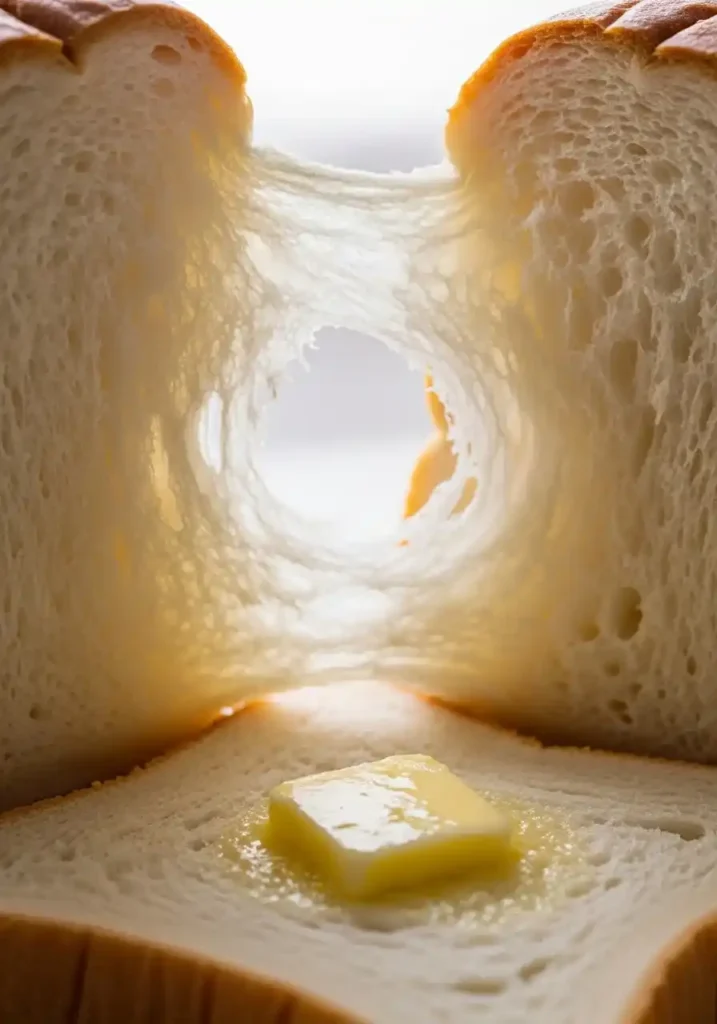
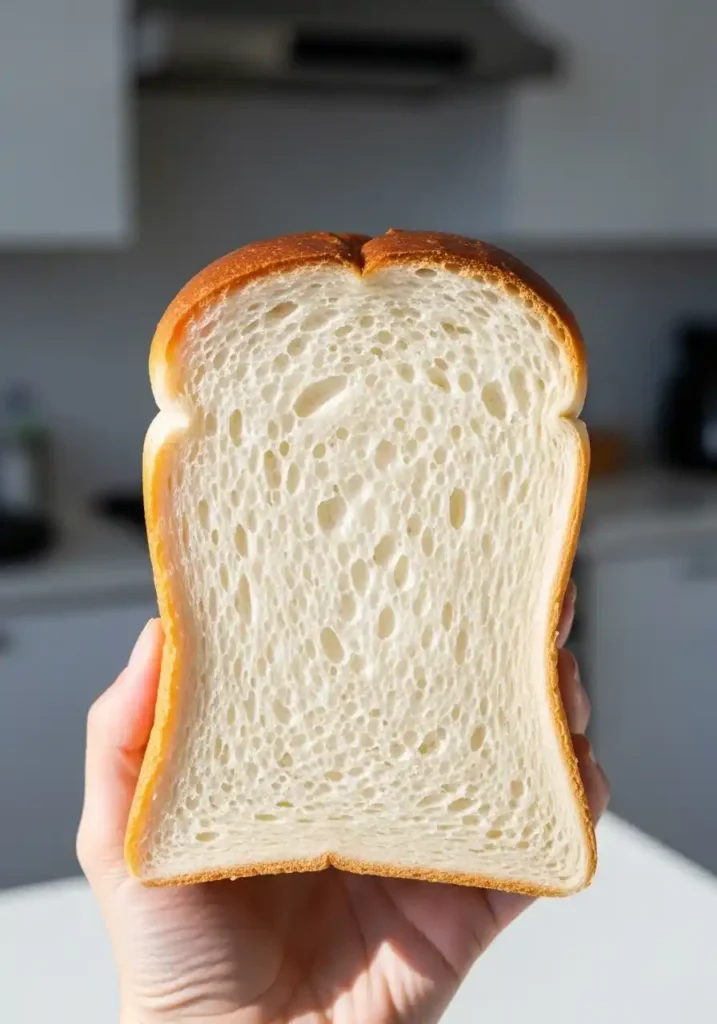
Japanese milk bread, also known as shokupan, is famous for its cloud-like softness and a slightly sweet, milky flavor that is unlike any Western-style bread. It stays soft for days — which almost never happens with homemade bread — because the tangzhong method pre-cooks a small portion of the flour and liquid, creating a gel that locks in moisture during baking.
This bread is perfect for sandwiches, toast, French toast, or simply eating slice after slice with a little butter. It is one of those recipes that once you make it at home, you will wonder why you ever bought bread from a store.
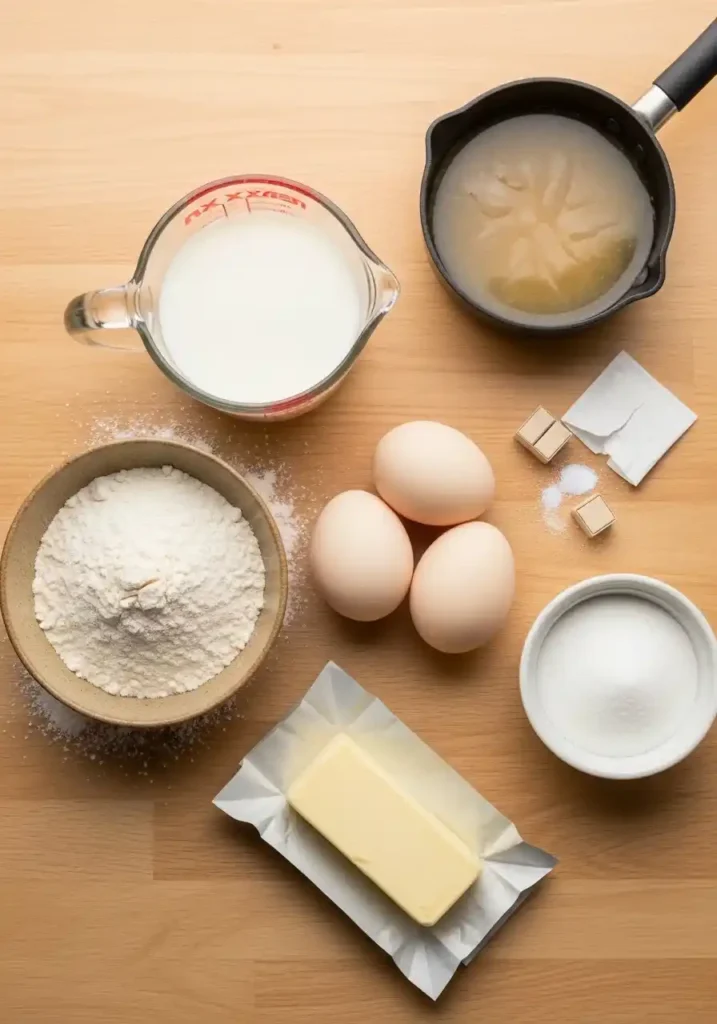
Ingredients for Japanese Milk Bread
You only need simple pantry staples for this recipe. The tangzhong uses just two ingredients, and the dough itself is straightforward. Here is the full list.
| Ingredient | Quantity | Notes |
| Bread flour | 3 cups (360g) | Higher protein for better structure |
| Whole milk (warm) | 1/2 cup + 2 tbsp | Warm, not hot — about 110°F |
| Heavy cream | 2 tablespoons | Adds richness to the dough |
| Granulated sugar | 3 tablespoons | For slight sweetness |
| Salt | 1 teaspoon | Enhances flavor |
| Active dry yeast | 2 1/4 teaspoons (1 packet) | Check expiration date! |
| Unsalted butter | 3 tablespoons (softened) | Added after initial mixing |
| Egg | 1 large | Room temperature |
| Bread flour (tangzhong) | 3 tablespoons | For the starter roux |
| Milk (tangzhong) | 1/2 cup | Cooked into a thick paste |
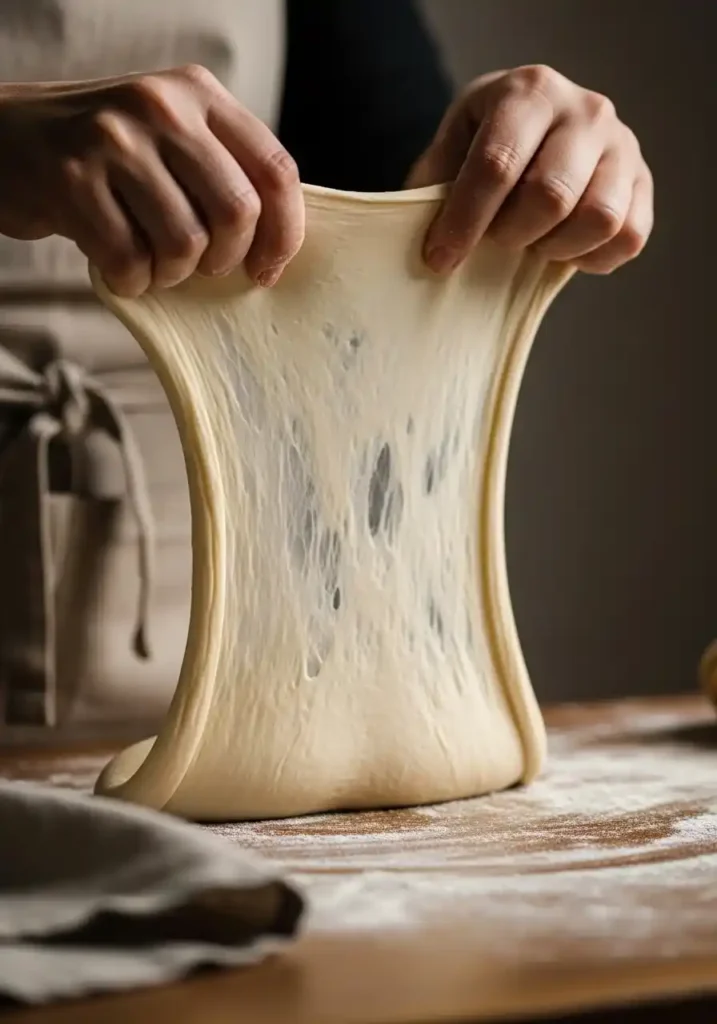
How to Make Japanese Milk Bread From Scratch
This recipe has a few simple stages — making the tangzhong, building the dough, and letting it rise. Take it one step at a time and you will be amazed by the result.
Step 1: Make the Tangzhong
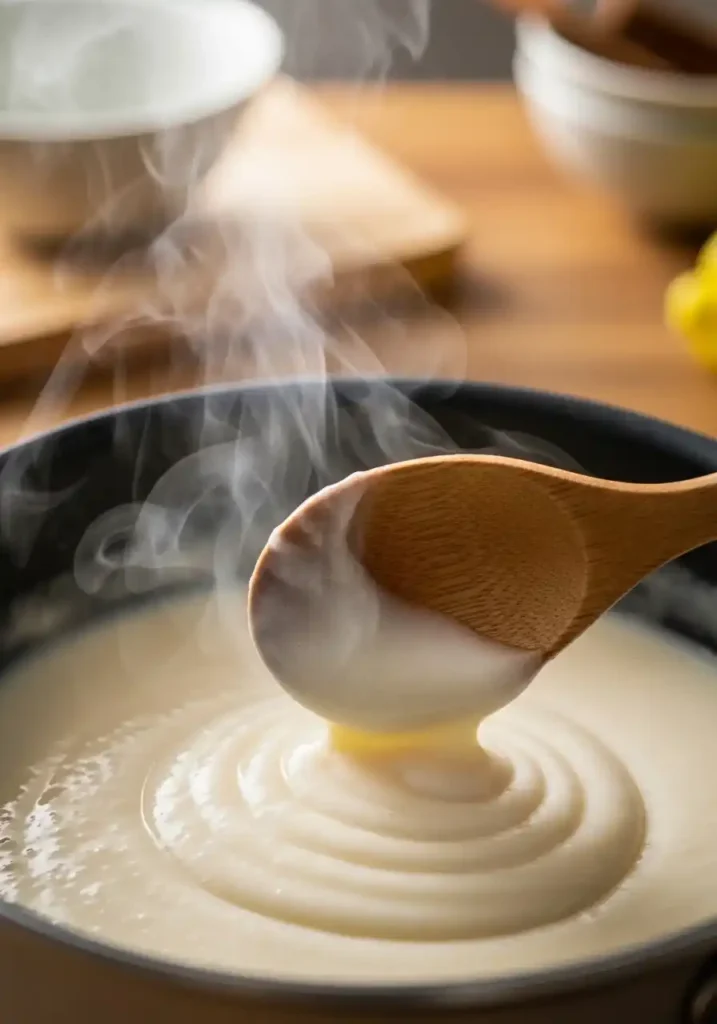
Whisk together 3 tablespoons of bread flour and 1/2 cup of milk in a small saucepan over medium-low heat. Stir constantly until the mixture thickens into a paste that holds lines when you drag a spoon through it — this takes about 3 to 5 minutes. Remove from heat and let it cool to room temperature before using.
Step 2: Mix the Dough
In the bowl of a stand mixer, combine the warm milk, sugar, and yeast. Let it sit for 5 minutes until foamy — this tells you the yeast is alive and active. Add the cooled tangzhong, egg, heavy cream, salt, and bread flour. Mix on low with the dough hook until a shaggy dough forms, then increase to medium and knead for 5 minutes.
Step 3: Add the Butter
Add the softened butter one tablespoon at a time while the mixer is running. This step takes patience — the dough will look messy and greasy at first, but keep kneading. After about 8 to 10 minutes of kneading, the dough will be smooth, elastic, and pull away cleanly from the bowl sides.
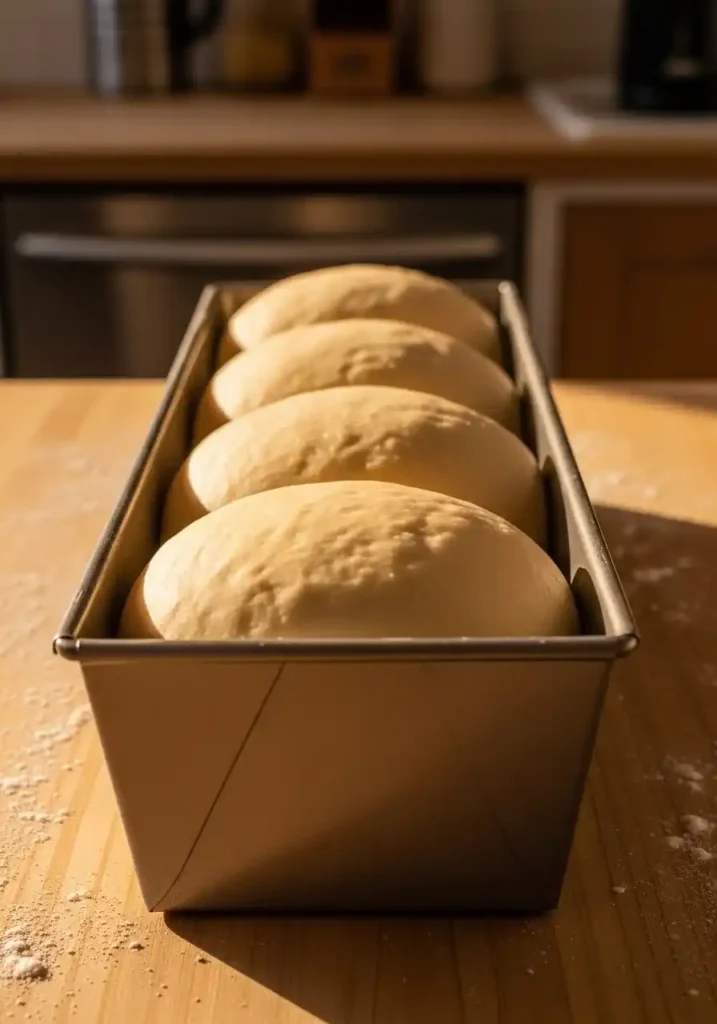
Step 4: First Rise
Shape the dough into a ball and place it in a lightly oiled bowl. Cover with plastic wrap or a clean towel and let it rise in a warm spot for 1 to 1.5 hours until doubled in size. A turned-off oven with just the light on works perfectly as a proofing environment.
Step 5: Shape and Second Rise
Punch down the dough and divide it into 4 equal pieces. Flatten each piece, fold the sides in, and roll it into a tight log. Place all four logs side by side in a greased 9×5 loaf pan. Cover and let them rise again for another 45 to 60 minutes until the dough is puffed and domed just above the rim of the pan.
Step 6: Bake
Brush the top of the dough gently with a milk wash or beaten egg wash for that beautiful golden shine. Bake at 350°F (175°C) for 30 to 35 minutes until deeply golden on top. Let the bread cool in the pan for 10 minutes, then turn it out onto a wire rack to cool completely before slicing.
What Is the Tangzhong Method in Japanese Milk Bread?
The tangzhong method is the heart of what makes Japanese milk bread so incredibly soft. It works by pre-cooking a small amount of flour with liquid on the stovetop until the starch granules absorb the water and swell up, creating a thick gel. When this gel is added to the main bread dough, it allows the dough to hold significantly more moisture, which results in bread that stays soft and fresh for 3 to 4 days instead of going stale overnight.

Tips for Perfect Japanese Milk Bread Every Time
Getting this bread right the first time is very achievable if you follow a few key tips. First, always check that your yeast is active — foamy yeast after 5 minutes means you are good to go. Dead yeast means the bread will not rise, so this check is worth the extra few minutes.
Use bread flour rather than all-purpose flour for the best structure and chew. The higher protein content helps the dough develop better gluten, which supports that signature pull-apart texture. Also, do not rush the butter incorporation — adding it too fast can prevent the dough from developing properly.
Share Your Japanese Milk Bread with Us!
We would absolutely love to see your Japanese milk bread come out of the oven! This recipe is one of our all-time favorites and we are so excited for you to try it. Once you bake your loaf, come back and leave a comment telling us how it went. Snap a photo, share it on Instagram or Pinterest, and tag us so we can cheer you on. Your kitchen win is our kitchen win — let’s celebrate it together!
How to Store and Serve Japanese Milk Bread
Japanese milk bread stays fresh at room temperature for 3 to 4 days when wrapped tightly in plastic wrap or stored in an airtight bag. Do not refrigerate it — the fridge actually dries bread out faster. For longer storage, slice the loaf and freeze the slices in a zip-lock bag for up to 2 months. Toast frozen slices straight from the freezer for a warm, fluffy result in minutes.
Frequently Asked Questions
Can I make Japanese milk bread without a stand mixer?
Yes, you can knead Japanese milk bread by hand, but it takes more effort — expect about 15 to 20 minutes of hand kneading to develop the gluten properly. The dough is quite soft and slightly sticky, especially when incorporating the butter, so a dough scraper is helpful. The result is just as delicious either way.
Can I use all-purpose flour instead of bread flour?
You can substitute all-purpose flour in a pinch, but the texture will be slightly less chewy and structured. Bread flour has a higher protein content that gives Japanese milk bread its signature stretch and fluffiness. If you must use all-purpose flour, add an extra tablespoon to help with structure.
Why did my Japanese milk bread come out dense?
Dense bread is usually caused by under-proofing (not letting it rise long enough), using old yeast, or under-kneading the dough. Make sure your yeast is fresh and active, give the dough enough rise time, and knead thoroughly until the dough is smooth and elastic before shaping.
How long does Japanese milk bread take to make?
From start to finish, Japanese milk bread takes about 3.5 to 4 hours including both rise times. The hands-on prep time is only about 30 to 40 minutes, and the rest is waiting for the dough to rise and bake. It is a great weekend baking project that fills your home with the most wonderful smell.
Can I make Japanese milk bread rolls instead of a loaf?
Absolutely! Instead of placing the dough logs in a loaf pan, roll the dough into smooth round balls and arrange them in a greased 9×13 baking dish. Bake at the same temperature for about 20 to 25 minutes. Pull-apart milk bread rolls are perfect for dinner tables and gatherings.
What can I use Japanese milk bread for?
Japanese milk bread is wonderful for sandwiches, thick-cut toast with butter and jam, French toast, or just eating fresh as is. It also makes an exceptional grilled cheese because of its soft, pillowy texture. Some people even use it for bread pudding or as a base for savory toast toppings.
Can I add flavors to Japanese milk bread?
Yes! You can knead in mix-ins like matcha powder, black sesame paste, or chocolate chips for fun flavor variations. Spread the dough flat after the first rise, add your mix-ins, and roll it back into logs before placing in the pan. Cinnamon sugar swirl milk bread is especially popular and delicious.
Final Thoughts
Japanese milk bread is one of those recipes that feels like a luxury but is completely within reach for any home baker. Once you pull that golden, perfectly soft loaf out of the oven and tear into it, you will be absolutely hooked. It is the kind of bread that makes your home smell incredible and your family gather in the kitchen with wide eyes.
If you loved baking this beauty, you are going to want to make our best no bake cheesecake next — it is just as rewarding to make and even easier, with zero time in the oven!