Creme Brulee Donut Rolls: Crispy Top, Custard Center
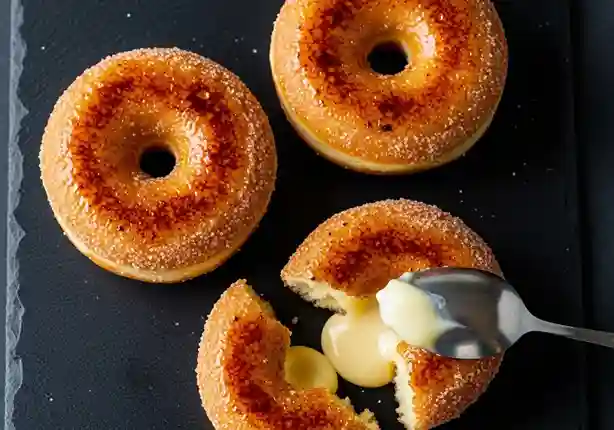
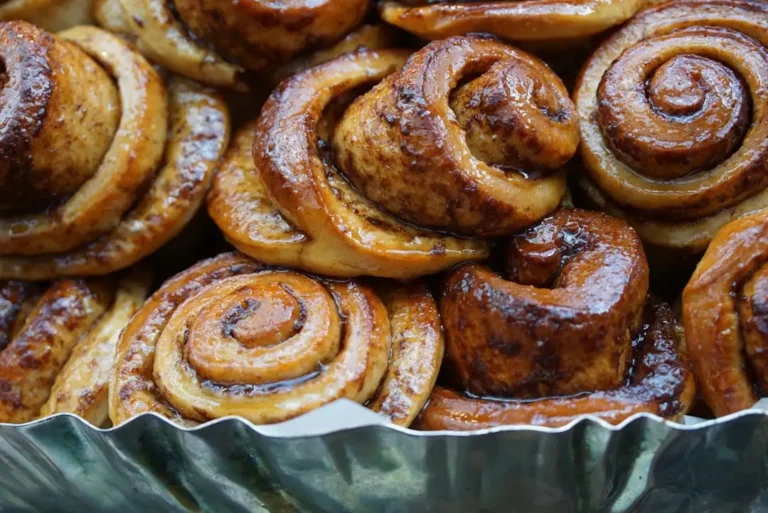
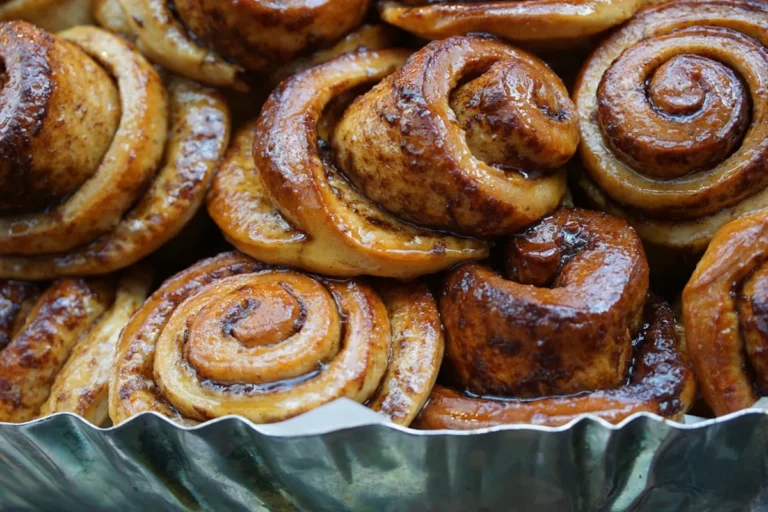
Imagine biting into a soft, pillowy donut roll that reveals a velvety vanilla custard center, all topped with a shatteringly crisp caramelized sugar shell. These creme brulee donut rolls are baked in exactly 20 minutes and yield 12 perfect portions that taste like a fancy dessert but come together with simple pantry staples. I perfected this recipe after countless tests to ensure the custard stays silky and the topping cracks perfectly every time.
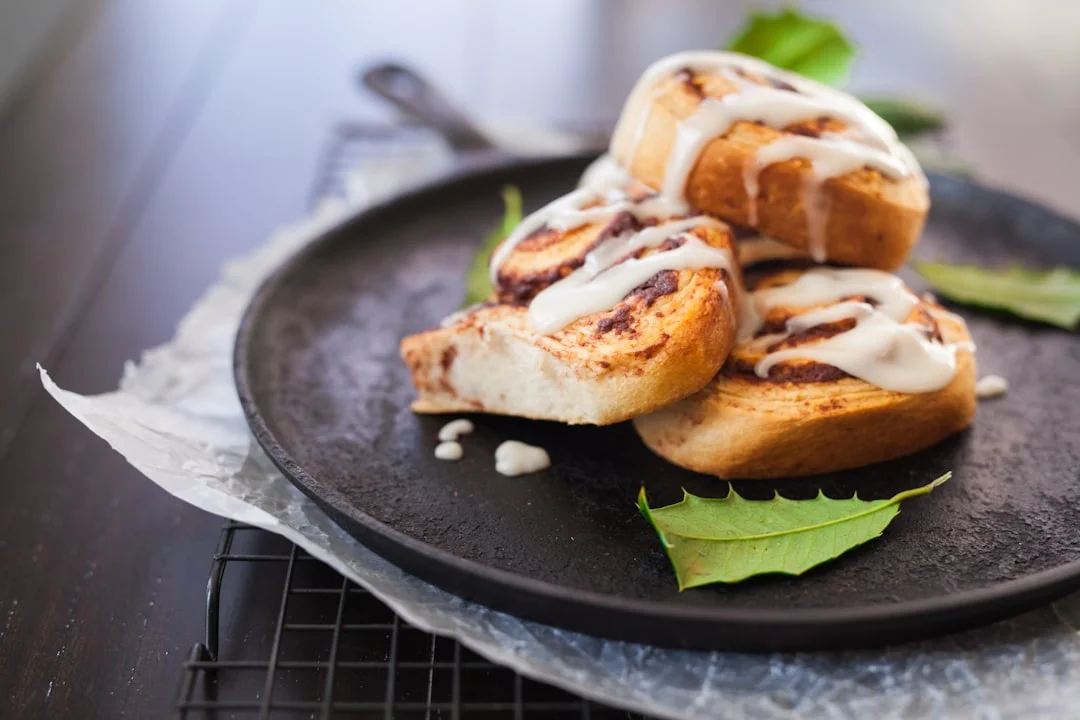
Quick Answer: Creme brulee donut rolls are soft, baked pastry spirals filled with rich vanilla custard and topped with a hard caramelized sugar shell. These treats combine the creamy texture of classic dessert with the comforting ease of donuts. The crisp topping shatters when tapped, revealing a smooth, pillowy interior that delivers intense vanilla flavor in every bite.
What Are Creme Brulee Donut Rolls?
Creme brulee donut rolls combine soft yeast dough, vanilla custard, and a torched sugar crust. The dough provides a fluffy, bread-like texture that contrasts beautifully with the dense, creamy center. This recipe satisfies the craving for classic French pastry without the complexity of making crepes or setting a water bath. You get the signature crack of the caramelized sugar with every bite into the tender roll.
Ingredients for the Dough and Custard
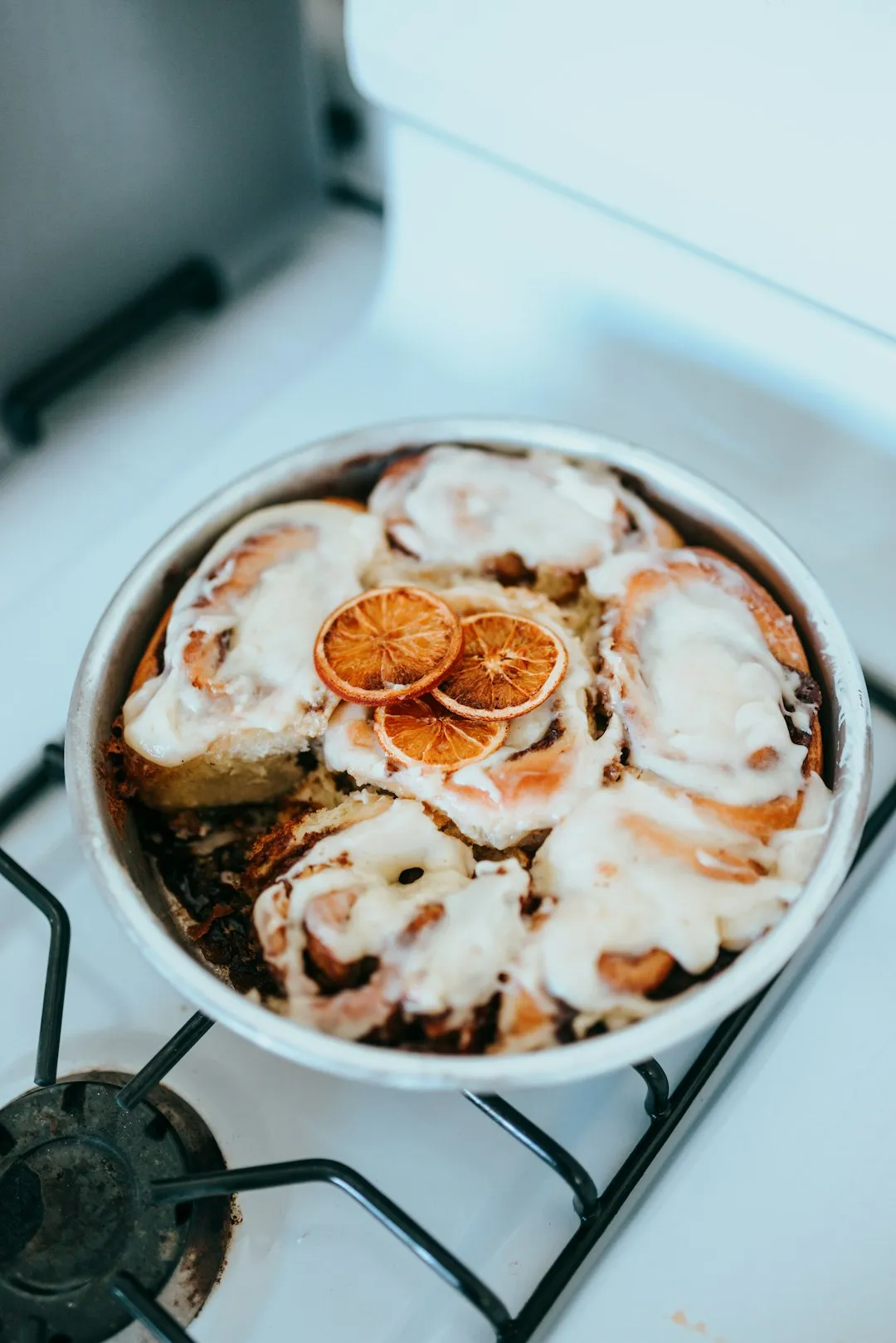
The ingredient list is short but requires precise temperature control for success when making creme brulee donut rolls. High-fat dairy like whole milk and heavy cream ensures the custard sets firmly enough to hold its shape while remaining luxuriously smooth. Room temperature eggs emulsify better into the dough, creating a lighter crumb structure. Using fresh yeast is critical; if it is older than six months, it may not activate properly, leaving you with dense bread instead of airy rolls.
How to Make the Yeast Dough
Step 1: Activate the Yeast
Combine warm milk at exactly 110°F/43°C with 1 tablespoon of sugar and the yeast in a small bowl to start your creme brulee donut rolls. Let this mixture sit for 5 minutes until it becomes foamy and bubbly. This step confirms the yeast is alive and active before you invest time in mixing the dough. If the milk is too hot, it will kill the yeast; if too cold, it will not activate.
Step 2: Mix the Wet and Dry Ingredients
Whisk sugar, eggs, melted butter, and vanilla into the yeast mixture for your creme brulee donut rolls. Gradually add the flour and salt, mixing until a shaggy dough forms. Knead the dough for 5-7 minutes by hand or in a mixer until it is smooth, elastic, and slightly tacky but not sticky. Proper kneading develops gluten, which gives the rolls their structural integrity and soft chew. Pour in the heavy cream while mixing on low speed to create a velvety, rich filling.
Step 3: First Rise
Let the dough rise in a warm spot for 60 minutes. The dough should double in size and look puffy. Punching it down gently releases excess gas and redistributes the yeast for an even crumb. A risen dough will spring back slowly when poked with a finger. Use room-temperature cream cheese because cold cream cheese creates lumps.
Step 4: Shape and Fill with Crème Brûlée Custard
Roll the risen dough into a large rectangle and spread a thick layer of vanilla custard filling evenly across the surface, leaving a small border at the edges to prevent leakage. Roll the dough tightly into a log, seal the seam, and cut into 1-inch thick slices. Place the slices cut-side up in a greased baking pan so that the custard is exposed and ready to caramelize during baking.
Step 5: Second Rise and Bake
Cover the shaped rolls loosely with plastic wrap and let them rise for 30 minutes until puffy and nearly doubled in size. Preheat your oven to 350°F (175°C) and bake the rolls for 20 minutes, or until they are golden brown and the internal temperature reaches 190°F. This baking time ensures the dough is fully cooked while setting the custard filling without drying it out. Bake until edges are set because residual heat finishes the center as it cools.
Step 6: Caramelize the Sugar Topping
While the rolls cool slightly, sprinkle a thin, even layer of granulated sugar over the top of each roll. Use a kitchen torch to caramelize the sugar until it melts and turns a deep amber color, creating the signature hard, glassy crust of a crème brûlée. Allow the rolls to cool for 10 minutes before serving so the caramel hardens into a crisp shell that cracks satisfyingly when tapped with a spoon. Chill fully before slicing so that the donut rolls hold their shape and slice cleanly.
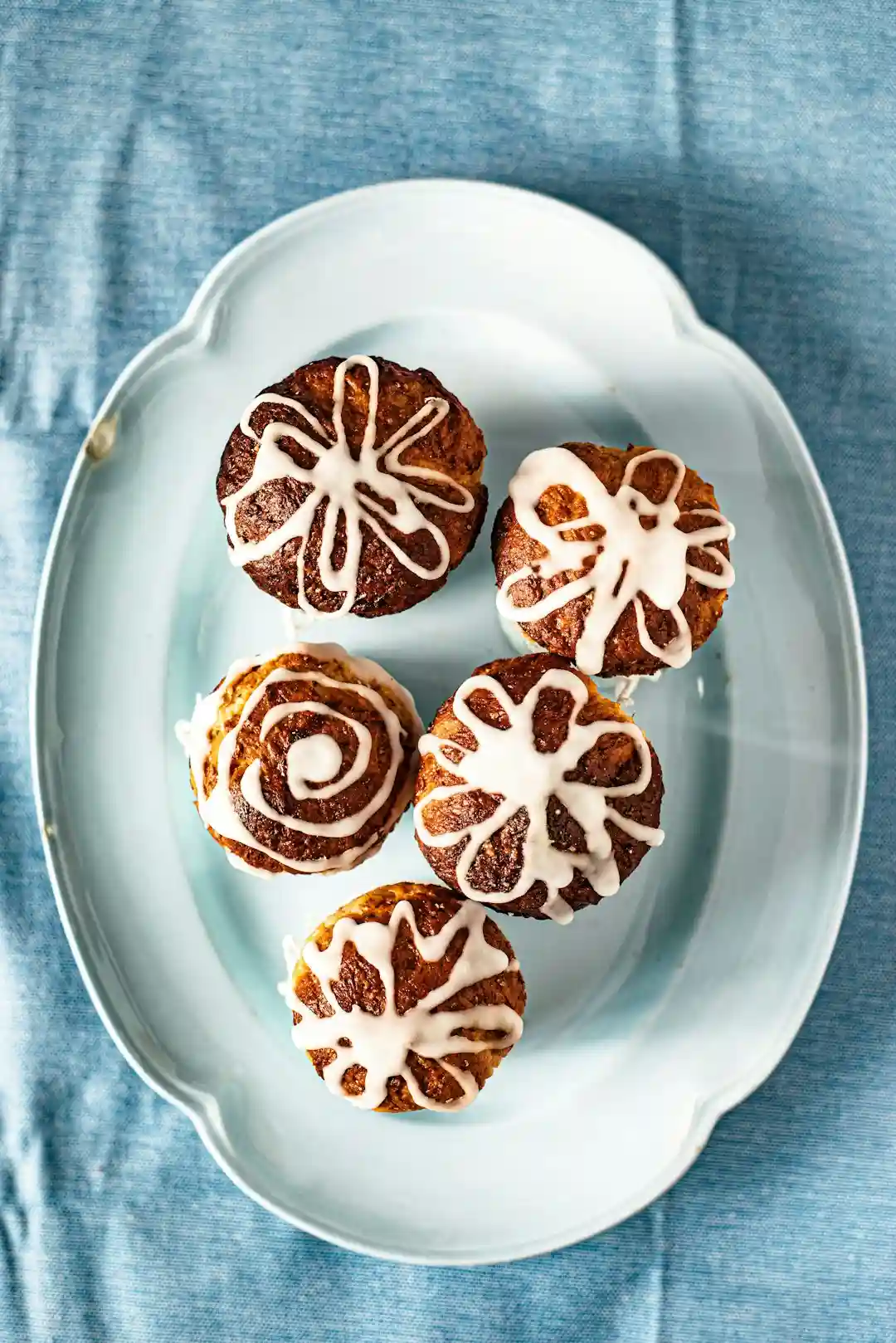
Making the dough for creme brulee donut rolls requires patience for a proper rise before filling. The gluten development during kneading is what creates the pillowy texture that holds the heavy custard without becoming soggy. Do not skip the first rise, as rushing this step results in dense, bread-like rolls rather than tender pastries.
Preparing the Vanilla Custard Filling
Cook the custard base
Heat 1 cup of heavy cream in a saucepan over medium heat until it just begins to simmer, with small bubbles forming around the edges. Do not let it boil vigorously, as this can cause the cream to separate or scorch. While the cream heats, whisk 1/3 cup sugar and 2 egg yolks in a separate bowl until pale and thick. Temper the eggs by slowly pouring the hot cream into the yolk mixture while whisking constantly to prevent scrambling.
Set the custard
Cook the custard until it reaches 170°F/76°C and coats the back of a spoon. This temperature ensures the eggs are safe to eat without curdling. Remove from heat and strain through a fine-mesh sieve to remove any cooked egg bits for a silky texture. Chill the custard in the fridge for at least 2 hours until it thickens to a pudding-like consistency.
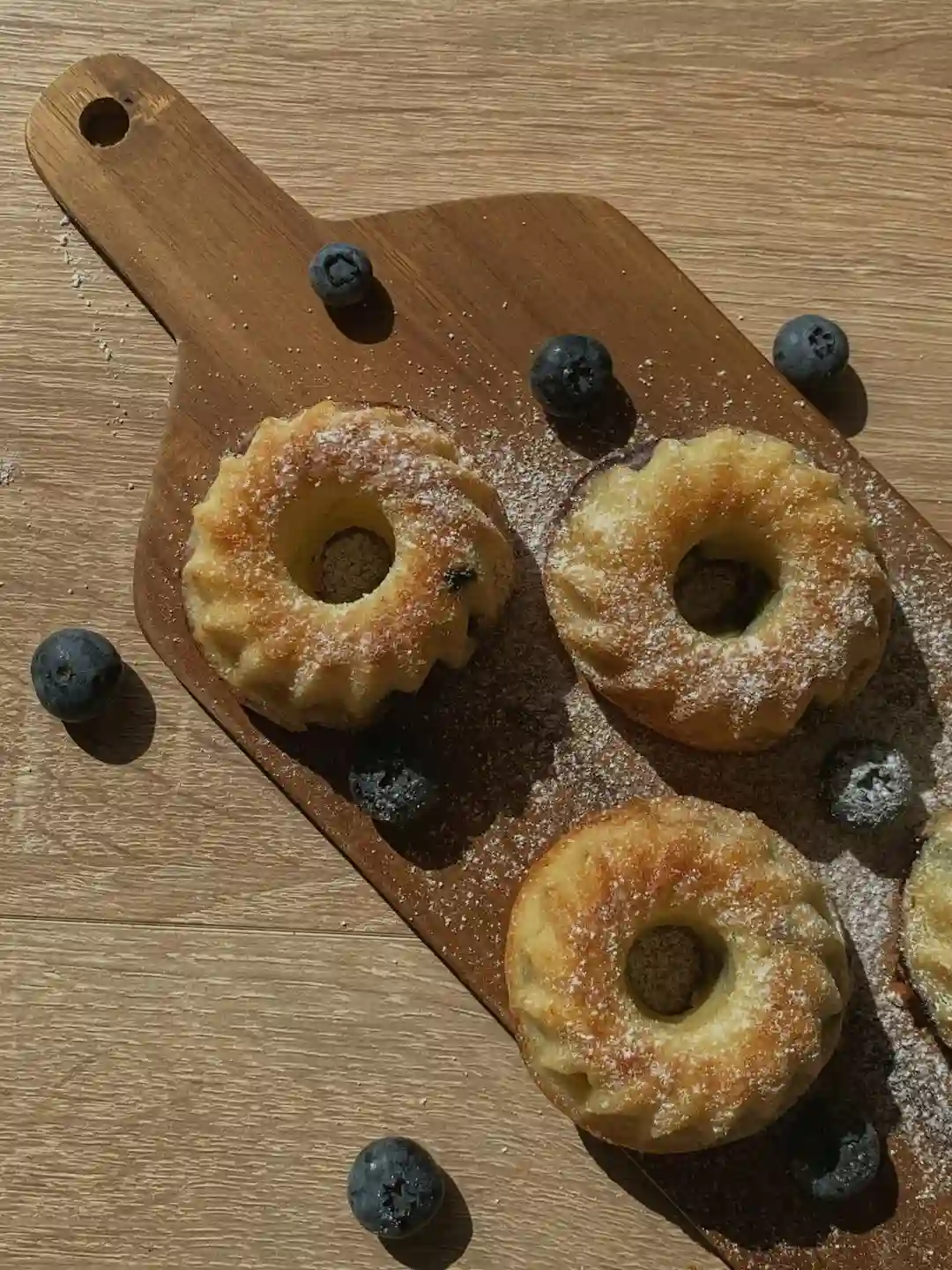
The custard must be thick enough to pipe without leaking during baking. Overcooking the custard will result in a grainy, scrambled texture, while undercooking it will cause it to run out of the dough. Testing with a thermometer is the most reliable method to achieve that perfect, creamy set every time.
Assembling and Baking the Rolls
Shape and fill
Divide the risen dough into 12 equal pieces and roll them into balls. Flatten each ball into a 3-inch circle, leaving a small border around the edge. Place 1 tablespoon of chilled custard in the center of each circle. Fold the dough over the filling and pinch the edges tightly to seal, ensuring no custard escapes during baking. Place the rolls seam-side down in a greased 9×13 inch baking pan.
Second rise and bake
Let the rolls rise for 30 minutes until puffy before baking. Preheat your oven to 350°F/175°C before this rise begins. Bake the rolls for 20-22 minutes until the tops are golden brown and the internal temperature reaches 190°F/88°C. The golden color indicates the Maillard reaction has occurred, adding flavor and visual appeal. Cool completely in the pan before adding the sugar topping.
Seal the dough properly to prevent custard from leaking into the pan. If the rolls are not sealed tightly, the filling will escape, resulting in dry dough and a messy oven. The second rise is essential for lightness; skipping it makes the rolls dense and heavy.
Creating the Crispy Sugar Topping
Caramelize the sugar
Sprinkle a thin, even layer of granulated sugar over the cooled rolls. Use a kitchen torch to caramelize the sugar until it turns golden brown and hardens. If you do not have a torch, you can place the pan under the broiler for 1-2 minutes, watching closely to prevent burning. The sugar should form a hard, glass-like shell that cracks when pressed with a spoon. This step transforms the soft dessert into a true creme brulee experience.
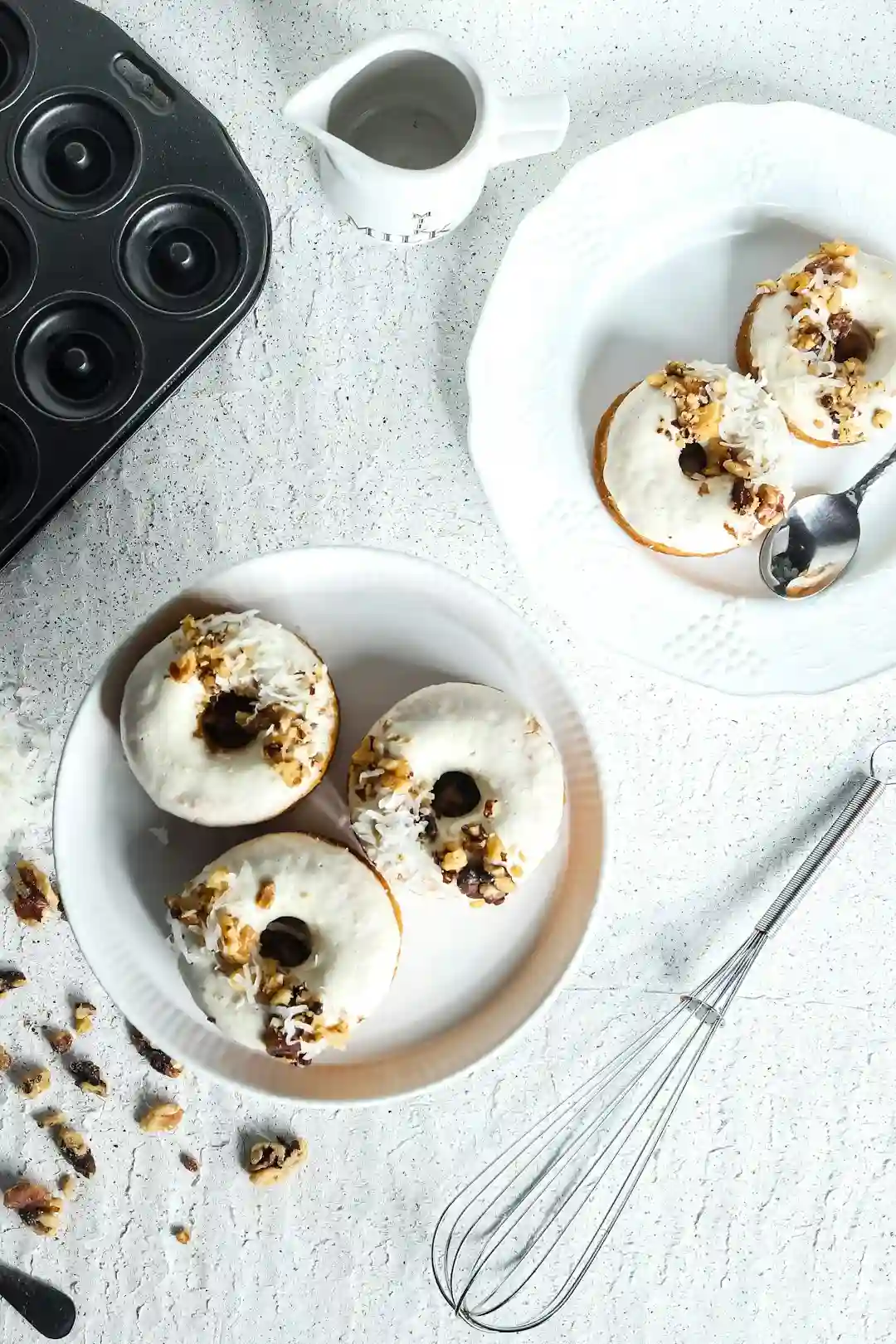
Apply sugar to fully cooled rolls to ensure crystallization instead of melting. A thick layer of sugar will not caramelize evenly, leaving wet spots. Aim for a light, uniform dusting for the best crack.
Troubleshooting Common Mistakes
Using warm custard to fill the dough is the most common mistake. Warm custard will melt the butter in the dough and cause the rolls to spread and leak. Always chill the custard until it is thick and cold before assembling. Another common issue is under-baking, which leaves the dough gummy. Use an instant-read thermometer to ensure the center reaches 190°F/88°C for a fully cooked, bread-like texture.
Make-Ahead and Storage Instructions
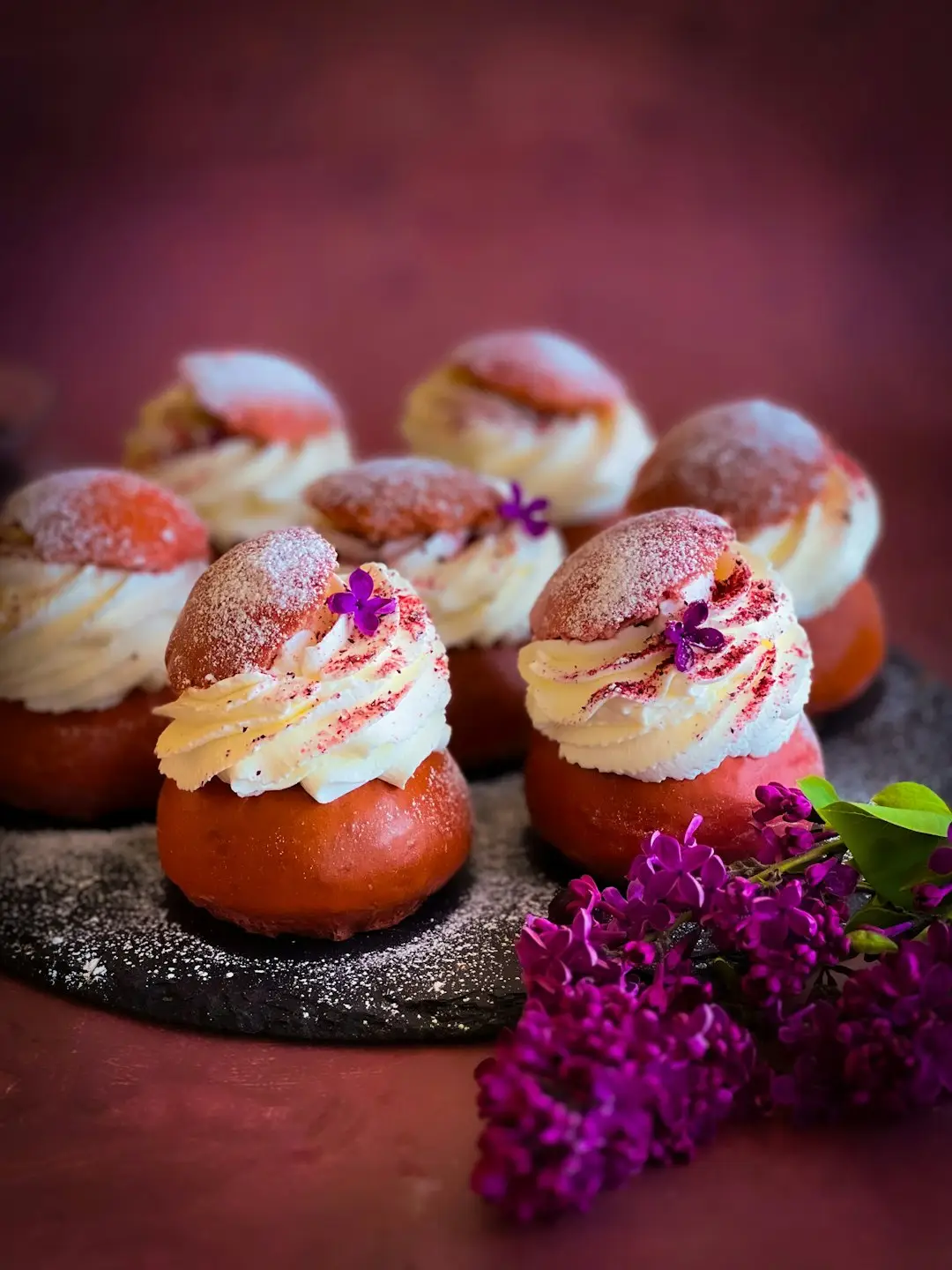
Store the dough and custard separately in the fridge for up to 24 hours. Assemble the rolls and let them rise the next day before baking. Baked rolls can be stored in an airtight container in the fridge for up to 3 days. For longer storage, freeze the unbaked, assembled rolls for up to 1 month. Thaw overnight in the fridge and bake directly from cold, adding 5-10 minutes to the bake time. Do not freeze the torched topping, as the sugar will absorb moisture and become sticky.
Serving Suggestions and Variations
Serve these rolls warm with black coffee or Earl Grey tea. Adding a dollop of whipped cream or a few fresh berries enhances the visual appeal and adds a bright contrast. For a twist, try swapping the vanilla extract for almond extract in both the dough and custard for a marzipan flavor. You can also fold in 1/4 cup of chocolate chips into the dough for a decadent variation. This recipe is a great alternative to traditional creme brulee donut holes, offering a more substantial and elegant presentation.
Why This Recipe Works
The recipe succeeds by balancing structured yeast dough with delicate custard. Using a thermometer for both the custard and the baked dough removes the guesswork from cooking. The two-stage rising process ensures light, airy rolls that can support the weight of the filling without becoming dense. This method is more reliable than many quick recipes that skip the first rise or use cake mix.
Can I make creme brulee donut rolls without a torch?
Yes, you can use your oven’s broiler to caramelize the sugar topping. Place the sugar-topped rolls under the broiler for 1-2 minutes, watching them constantly to prevent burning. The sugar should turn golden brown and harden into a crisp shell.
I would love to hear how your creme brulee donut rolls turned out! Please leave a comment below with your photos or any variations you tried. If you enjoyed this recipe, check out my post on No-Bake Cheesecake Bars for another easy dessert idea If you love this, you might also enjoy our Swiss roll recipe recipe!
Recipe Checklist
- 1 package (0.25 oz) active dry yeast
- 1/2 cup warm whole milk (110°F/43°C)
- 1/4 cup granulated sugar, divided
- 2 large eggs, room temperature
- 1/4 cup unsalted butter, melted and cooled
- 1 teaspoon vanilla extract
- 2 1/2 cups all-purpose flour
- 1/2 teaspoon salt
- 1 cup heavy cream
- 1/3 cup granulated sugar for custard
- 2 large egg yolks
- cream cheese
- vanilla bean
- molasses
- chocolate chips
Frequently Asked Questions
Final Thoughts
Making creme brulee donut rolls at home brings so much comfort and bakery-quality joy to your kitchen. With these simple steps, you can achieve the perfect texture and flavor every single time without any guesswork. Give this delicious recipe a try today, and let me know in the comments below how yours turned out!
If you enjoyed this recipe, you might also love Creme Brulee Donuts – Crispy, Creamy & Divine and Nutella Donuts – Soft, Fluffy & Filled with Bliss.
About Zoya
Zoya is a self-taught home baker with over 8 years of experience baking cakes, no-bake desserts, dips, and traditional Pakistani sweets for family and friends. She has tested every recipe on this blog multiple times in her own kitchen before publishing. She is based in the US and runs this blog as a place to share reliable, approachable recipes.